The Hidden Benefits of Dark Chocolate
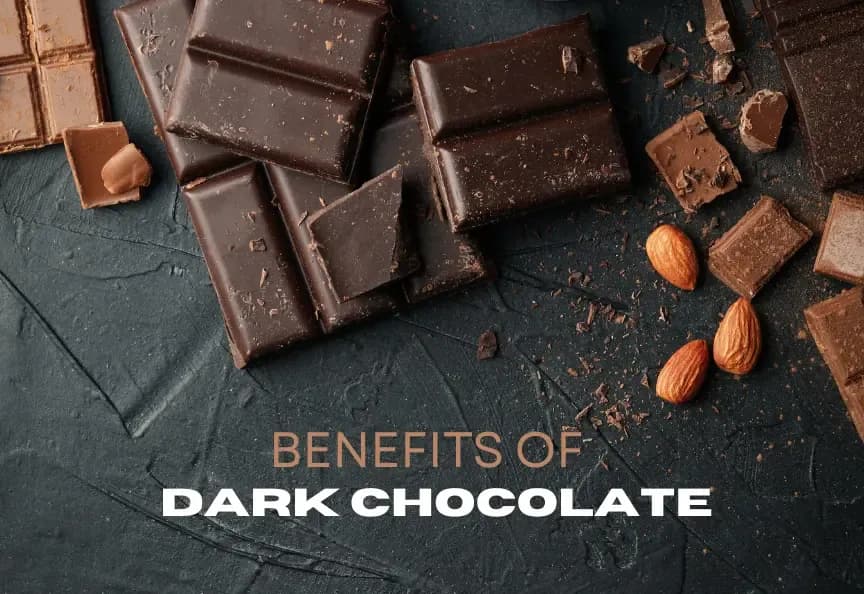
Dark chocolate has a surprising amount of health benefits associated with it that most of us would consider a guilty pleasure rather than a healthy food option. In general, dark chocolate has always had a reputation as a sweet dessert (and still does) along with its added sugar, but recent research suggests that dark chocolate has many positive health effects when consumed in moderation, especially when compared to white or milk chocolate.
As we discuss this topic, we will look at what makes dark chocolate unique from other types of chocolate and how dark chocolate can improve your health.
At Eateriq, we focus on helping people understand what’s really in their food without fear, confusion, or extremes.
1. Can help prevent sun damage
It may also improve blood circulation to your skin while providing antioxidant properties; therefore, it helps protect your skin against skin cancer by way of damage caused by UV radiation.
The review determined that if you consume dark chocolate on a regular basis, it could provide protection against the negative effects of the sun's rays on your skin.
Czerwony states that “particularly dark chocolates with high flavanol content are considered good sources of antioxidants, provide an increase in blood circulation to your skin, and therefore can protect your skin against UV damage.”
2. May enhance your mood
Eating dark chocolate has been known to positively impact your mood. The reason why dark chocolate is so frequently reported as "feeling" pleasurable when consumed could be attributed to the effects of phenolic compounds in it.
Polyphenols have also been shown to reduce the stress hormone cortisol (Peart). Research has shown that participants that consumed dark chocolate with a minimum of 85% cocoa had a significantly better average overall mood than those consuming chocolate with lesser concentrations or those who did not consume any chocolate.
3. Chocolate without Dairy
As the name of milk chocolate indicates, it has some kind of dairy ingredient, whereas dark chocolate is mostly considered nondairy. So, it is perfect for people with a milk allergy or those who choose to live on a dairy-free diet.
Peart says there is a chance that milk might be used in chocolate production, and hence it is always advisable to look at the ingredient list first before buying.
What Makes Dark Chocolate Different?
Dark chocolate is made up of cocoa solids, cocoa butter, and very little sugar. The main difference between dark chocolate and other varieties of chocolate is the proportion of cocoa in dark chocolate, which is always higher. For instance, the majority of dark chocolates have no less than 70% cocoa content. The increase in cocoa percentage results in a larger quantity of healthy compounds found in dark chocolate and a smaller percentage of sugar added.
Cocoa beans contain flavonoids that are very high in amount; flavonoids are a group of plant-derived antioxidants that may be responsible for the optimal function of the heart, fighting against inflammation, and protecting cells from being damaged by oxidative stress.
Dark chocolate-type chocolate has been better as a nutrition source because it still naturally possesses most of the compounds that are beneficial.
There's Been A Lot Of Research Into Dark Chocolate's Potential Heart Health Benefits
A lot of research has been done on how dark chocolate may support heart health. One way dark chocolate possibly supports heart health is through flavonoids in cocoa supporting better blood flow through blood vessels. Research shows that regular (moderate) intake of dark chocolate could accumulate in patients with lower blood pressure and higher HDL (good cholesterol) levels versus LDL (bad cholesterol), improving the cholesterol ratio while lowering cholesterol levels.
Regularly eating dark chocolate every day will not replace the need for medical care but rather may contribute to an overall healthier lifestyle when it is part of a healthy lifestyle to support cardiovascular health.
Promotes Optimal Gut Functionality (Yes, for real!)
Recent studies indicate that dark chocolate’s polyphenols could function as prebiotics, which are nutrients for good gut bacteria. A healthy gut microbiome is important to support digestion and immunity and regulate mood.
During the metabolization of cocoa compounds, gut microbes will create anti-inflammatory compounds that can enhance overall health. So, the use of moderate amounts of dark chocolate as part of an overall balanced dietary plan adds another level of justification.
Choosing the Ultimate Dark Chocolate
Health advantages can be associated with some types of dark chocolates, but others may be disregarded totally or partly. Therefore, the next steps are to select the best different varieties:
Go for a type of dark chocolate containing a minimum of 70 percent cocoa.
Buy chocolate that contains only a few ingredients.
Avoid purchasing chocolates containing high amounts of added sugars or an overwhelming presence of artificial flavors.
Whenever it is an option, go for dark chocolate that has undergone little processing.
Having a short ingredient list along with a lack of added sugars and artificial flavors will be your way of getting the most health benefits from dark chocolate .
Balanced Viewpoint
Dark chocolate would never be classified as a “superfood”; however, it can still be associated with your healthy living program, provided that you eat it properly and in limited amounts. Dark chocolate is, moreover, a very pleasant way to get the vitamins and minerals from food without the feeling of deprivation or guilt of having to use them.
In the case of healthy dietary decisions, the best thing to do is to consider the food's body interaction rather than classifying the foods into "good" or "bad." The moment you understand how food works with your body, you will be able to make healthy choices with assurance, and that is where you will find the balance.