Immune Boosting Foods You Should Eat Daily
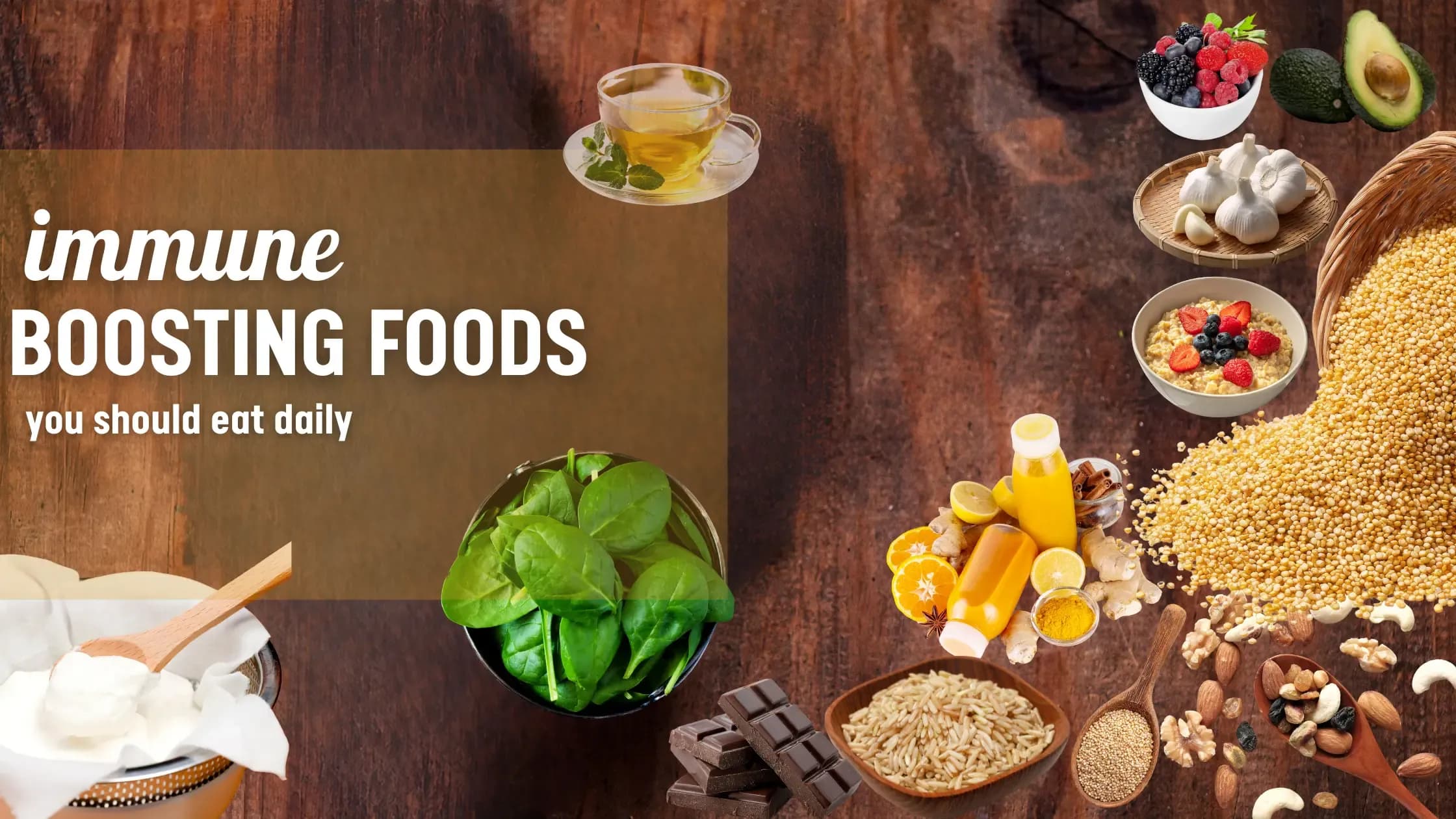
Daily Foods That Are Responsive to Your Immune System
An effective immune system is your body's way of preventing you from being sick. The best way to boost immunity is to eat foods that strengthen your immune system, provide you with energy, and support your total well-being. A balanced diet containing healthy whole food options will support your ability to combat pathogens and decrease your risk of becoming ill, speed up the recovery process when you do get sick, and reduce the likelihood of developing chronic inflammation.
The importance of making good choices about your daily food intake is what we at EaterIQ have done through dumpster diving to help people make educated food choices that promote good health. The following are some great ways to add healthy whole food options to your daily meals for enhanced immunity.
1. Citrus Fruits as a Source of Vitamin C
Vitamin C supports the body's immune system because it promotes an increase in white blood cell production, thus protecting the body from bacterial infections.
Some of the Best Sources of Vitamin C:
Oranges, lemons, grapefruits, sweet limes, and kiwis.
Add citrus fruits to breakfast or drink a glass of warm water with lemon juice added for an excellent, refreshing immune booster.
2. Antioxidants Found in Leafy Greens
Dark-leafed vegetables are high in vitamins A, C, and E, as well as antioxidants, which protect our body's immune cells from damage.
Common leafy greens to add:
Spinach
Kale
Methi (Fenugreek Leaves)
Mustard Greens
Add leafy greens into your daily intake either through making salads, adding to smoothies, adding to dals, or stir-frying them.
3. Anti-Inflammation by Using Ginger and Turmeric
These two spices have significant compounds within them that work to reduce inflammation and assist with building up immunity.
Ginger works to relieve stomach upset, digestive tract issues, and infection.
Turmeric has a chemical component called curcumin that has been shown to strengthen your immune system.
Both ginger and turmeric may be added to beverages, soups, curries, and warm milk.
4. Garlic for Natural Protection
Garlic, which has allicin as its main component, is a powerful fighter against infections and can increase the immune response.
Use garlic in its raw form or after facing a very light heat treatment—like in soups, dals, or veggies.
5. Berries for Antioxidant Power
Berries have, among their many benefits, the fact that they are endowed with flavonoids that not only decrease inflammation but also enhance the body’s defense system.
What to try:
Blueberries
Strawberries
Raspberries
Indian amla (gooseberry)
Mix berries in your yogurt or smoothies.
6. Whole Grains
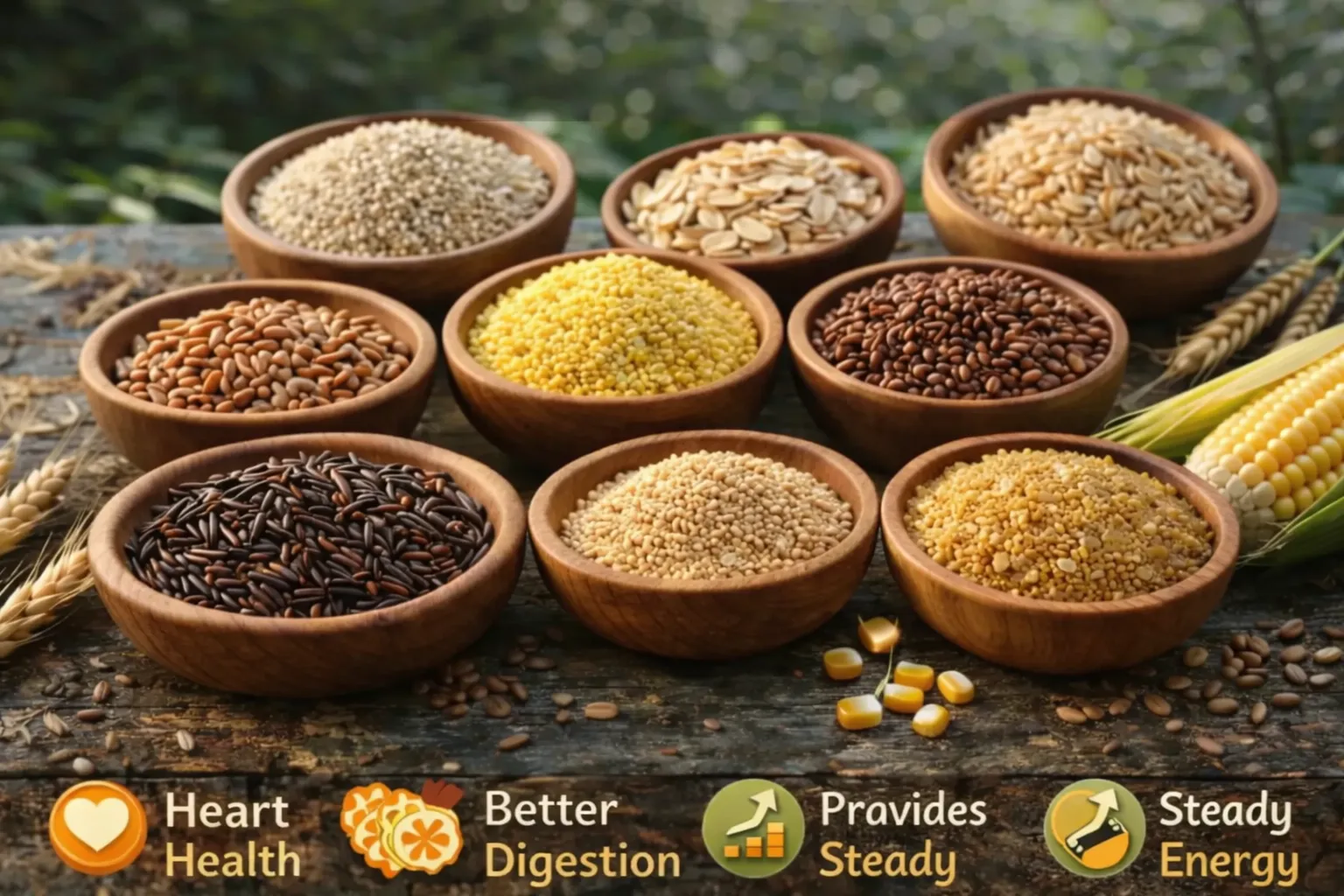
provide fibers that help maintain a healthy digestive tract while maintaining your immune system's function with energy over time. Some examples of whole grains include:
Oatmeal
Brown rice
Quinoa
Millet
When making daily meals, consider using whole-grain options instead of refined grains.
Green tea helps support the immune system through its antioxidant and amino acid content, which helps boost the activity of immune cells. To receive the maximum benefits from drinking green tea, aim for 1 to 2 cups daily.
7. Immune Support with Green Tea
Green tea contains many antioxidants and amino acids, which can boost the number of immune cells you have in your body.
For the maximum benefit of green tea's many beneficial properties, consume 1–2 cups of this beverage daily.
8. Dark Chocolate
Dark chocolate is a wonderful source of the antioxidant your body can produce, called theobromine. The theobromine protects you from free radical damage and also helps to strengthen the immune system. Free radicals are generated when pollutants enter our bodies or when our bodies break down the food we eat and can create a lot of cell damage that will affect your chance of getting many types of diseases. Although dark chocolate has many health benefits, it is high in saturated fat and calories, so be sure to eat it in moderation.
9. Yogurt and Fermented Foods for Gut Health
The gut is a significant player in the immune system's support. Probiotic-rich foods and gut health have a positive relationship, as the former enhances the latter.
Fermentation has produced many foods like:
Yogurt or curd
Kefir
Idli, dosas, dhoklas
Sauerkraut and kimchi
Incorporate one fermented food into your diet daily.
10. Spinach
Spinach is famous for its immune support vitamins C, beta-carotene, and folate. The entire set of nutrients fortifies and stimulates immune health, besides supplying normal cell activity. Moreover, spinach is thought to be beneficial in the prevention of the oxidative damage that might be a reason for the weakening of our body's defense system owing to its antioxidant properties.
Spinach can be eaten either raw or after cooking. Incorporation into salads, sandwiches, and smoothies are some of the ways to consume it. Another option is to quickly sauté and serve spinach as a side dish or add it to soups and pasta sauces.
Final Thoughts
In closing, the immune system can be supported without the use of costly products or extreme forms of eating. Consistency is the primary factor in building your immunity. Including a mix of fruits and vegetables, whole grains, seeds, and fermented foods on a daily basis provides your body with the nutrients to help it fight off disease and support ongoing health.
eateriq helps to simplify the process of evaluating food quality and selecting foods that promote immunity, allowing you to maintain good health on a daily basis.