Food and Mood: What to Eat When Anxiety Hits

Anxiety is among those feelings that nearly every individual goes through at least once in their lifetime. A tightness in the chest or a feeling of racing thoughts may be experienced along with a sudden shift in the appetite; either way, it may disappear or increase suddenly. Food itself cannot heal anxiety; however, one's diet can indeed affect the person's mood. The relationship between the stomach and the brain is quite strong, and the selection of food can either soothe the mood or make the anxious thoughts louder.
It doesn't imply that one has to change the diet totally. It is more about finding out which foods are the relaxants for your body and keeping them in your diet a little more. Platforms like eateriq.com also help individuals understand how different foods influence mood and daily wellness.
Now, let's see what products can be used to support a calmer mind and a steadier mood during the anxious times.
1. Begin With a Stable Sugar Source
When your body senses very low or very high blood sugar levels, it will respond by releasing stress-related hormones like cortisol and adrenaline. These hormones can elicit physiological responses similar to anxiety, such as shaking, heart racing, and irritability.
To prevent this, pay heed to the following categories of food in your meals:
Protein (such as chicken, tofu, lentils, eggs, and yogurt)
Healthy fat (such as seeds, olive oil, peanut butter, and nuts)
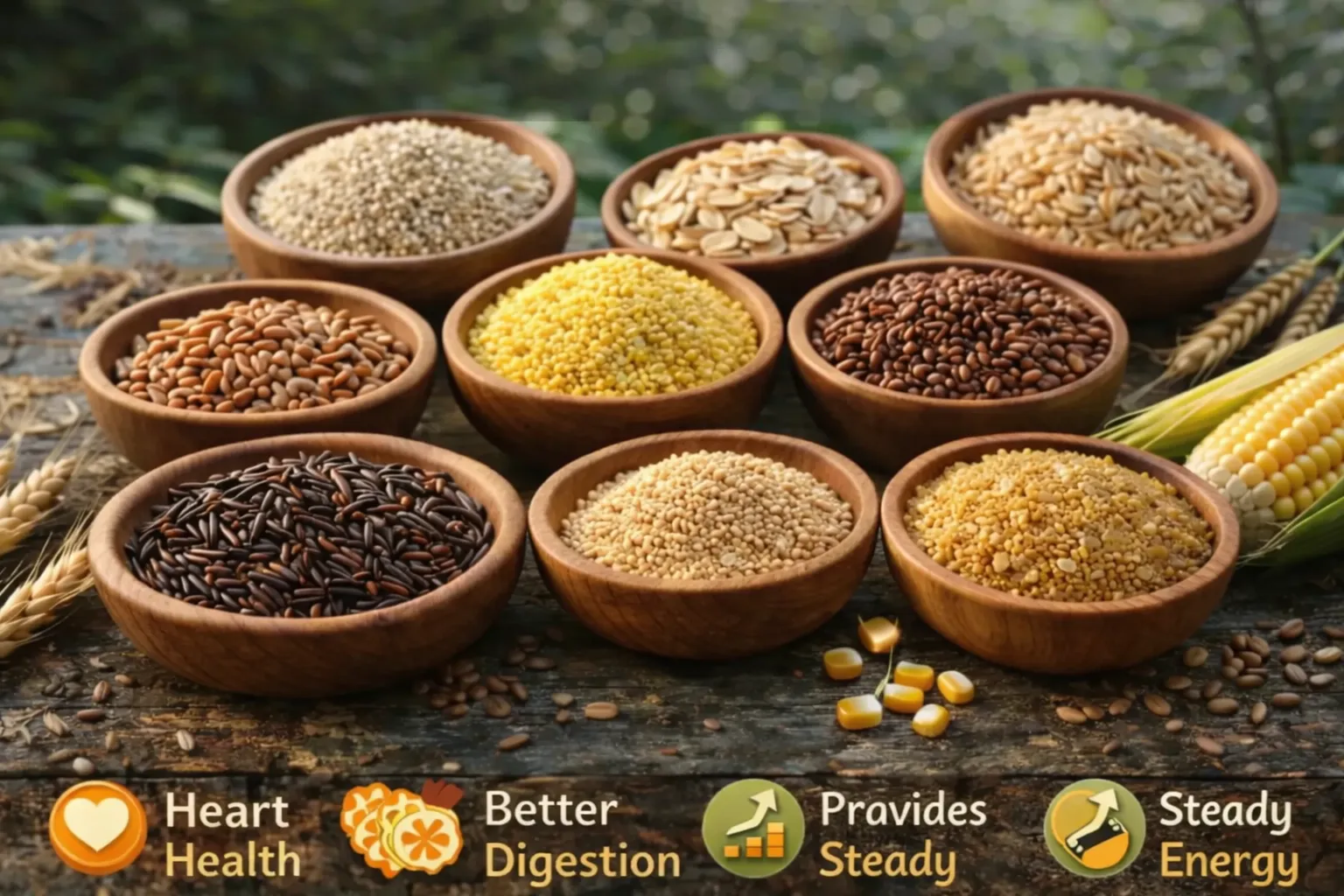
Carbohydrates that contain fiber (such as fruits, vegetables, brown rice, and oats)
A balanced plate will allow your body to receive steady energy versus all at once.
Here are a couple of easy meal examples:
Oats topped with banana and peanut butter
Whole grain wrap with hummus and veggies
Yogurt with nuts and berries for topping
Look at it this way: stable energy equals a stable mood!
2. Give a Greeting to Magnesium-High Foods for Relaxation
Magnesium is the mineral that is most commonly associated with the "relaxation" effect. The use of magnesium can lead to a peaceful nervous system, easily falling asleep, and having fewer sore muscles. On the other hand, insufficient magnesium intake has been correlated with heightened stress and tension.
Here are the magnesium-rich foods:
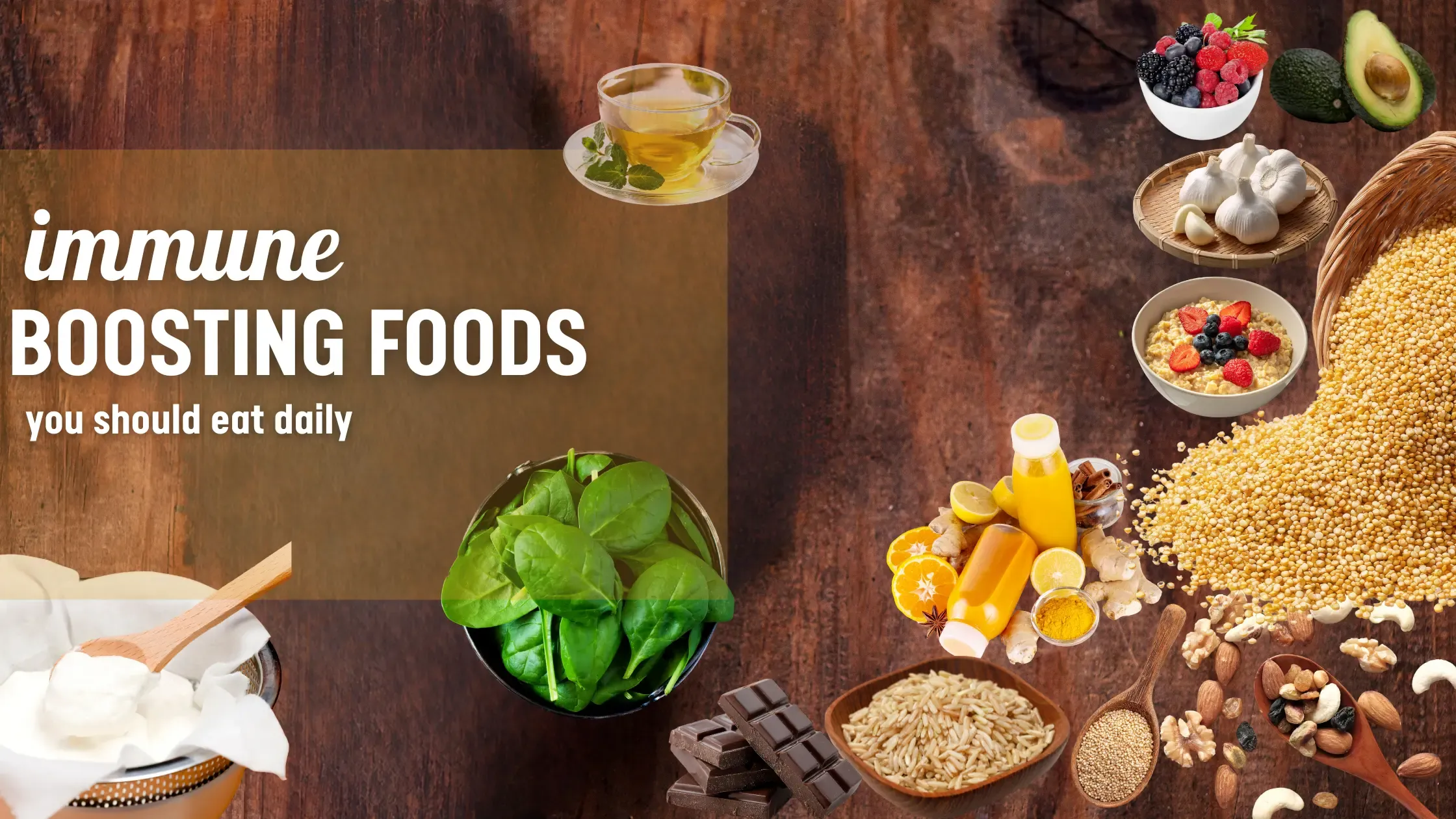
- Spinach and other greens
- Pumpkin seeds and walnuts
- Almonds and cashews
- Avocados
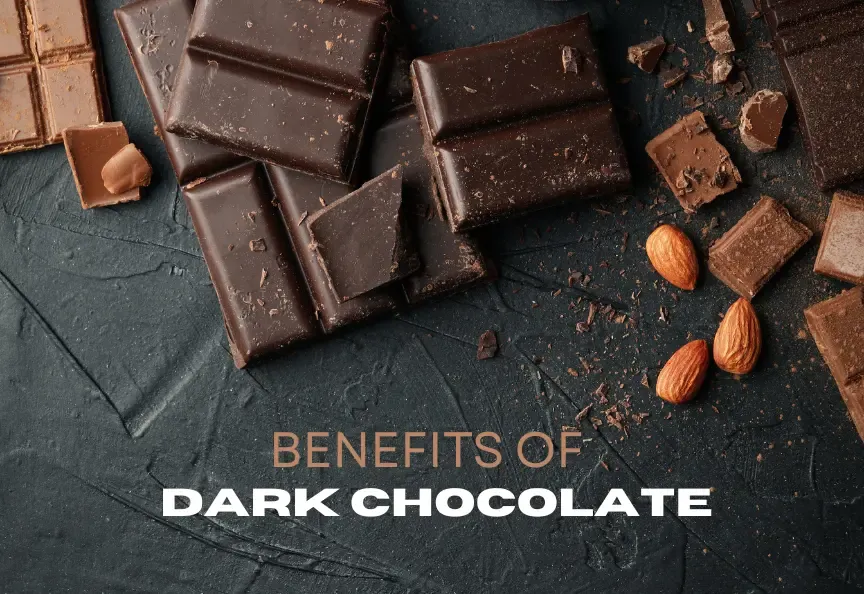
- dark chocolate (70% or more cacao)
It is a good habit to have a small portion of nuts as your snack or to add some spinach to your meal. A piece of dark chocolate after supper can also be a soothing agent (but without the guilt).
3. Incorporate Omega-3 Healthy Fats
Omega-3s promote brain health and reduce inflammation, and research indicates they can decrease anxiety as well.
Good sources are:
Salmon, sardines, or tuna
Chia seeds, flax seeds, walnuts
Milk or eggs with omega-3 added
If vegetarian: it is really easy to drop some chia or flax into your smoothies or oatmeal.
4. Prioritize Gut-Friendly Foods
Your gut and brain are connected via the gut-brain axis. A healthy gut improves healthy mood regulation, so it is good to have foods that optimize flourishing gut health.
This can be:
Yogurt with active cultures
Curd (dahi)
Fermented foods: kimchi, sauerkraut
Kefir
Prebiotic foods (banana, garlic, oats)
Even small amounts can create a great effect on your gut!
5. Enjoying Warm Comfort Foods Can Help Too!
Sometimes anxiety is about the moment, as opposed to nutrients. Warm, comforting foods may signal your body, "You are safe."
Nutritious comfort foods include:
Vegetable broth or soup bowls.
Herbal tea (chamomile or peppermint tea).
Warm oats or warm cooked millet.
Golden milk with turmeric.
Eating slowly and warm tells your nervous system to let your breath slow down again.
6. And of course, it’s important to stay hydrated.
Dehydration can also produce similar symptoms to anxiety symptoms—dizziness, racing heart, and tension. Try sipping on some water throughout the day as needed. Coconut water is also a great alternative, as are herbal teas.
Food Considerations When Dealing with Anxiety
Some food might feel good at the moment but can eventually lead to more anxiety shortly thereafter.
Try to limit:
Excess caffeine (coffee, energy drinks, strong tea)
Very sugary snacks
Highly processed foods containing additives
Alcohol
Can lead to crashes of energy and make your mood swingy, not to mention disrupt your sleep, since these are all things that can contribute to more anxiety.
When You Feel Anxiety in the Moment, Try THIS
If you're currently feeling anxious, here is an easy grounding snack:
A handful of nuts
A piece of fruit
A glass of water
Slow breathing for 60 seconds
This will steady your blood sugar and signal your nervous system to relax.