Why We Don’t Feel Hungry in Summer and How to Stay Nourished

Summer's here, which means longer days, pleasantly warm weather, and heaps of sunshine. For many of us, we may notice something seemingly unusual during this time of year: we are not feeling as hungry compared to winter or cooler months. While a reduction in appetite is convenient, it also means we may be risking missing out on vital nutrients that boost our energy and keep us healthy. So why do we experience this, and how do we organize a nutritional day of the foods we need when our appetite narks our day? Let us find out why now.
Why We Feel Less Hungry in Summer
1. The Body's Cooling Mechanism
When temperatures rise, your body works hard to maintain its internal environment (homeostasis). Digestion creates heat, so as a natural survival response, your body may quell or suppress appetite in the heat to steer clear of further overheating. Digestion during the summer season expects cognition of heat, allowing you more instinctively than consciously to focus on your willingness towards what meals may appeal to you or may not appeal to you, such as heavy, calorie-dense foods.
2. Hydration Over Hunger
During summer the body's sweat loses fluids. Fluid loss will prompt thirst, not hunger. In summer, because the body is making hydration a priority over nourishment, you may develop a thirst for cold water, juices, fruits that have a high water content, etc., and move further away from a traditional meal when it comes to suggestions or cues.
3. Seasonal Hormonal Changes
The heat influences hormones such as ghrelin (the "hunger hormone") and leptin (the fullness signal hormone). Increased temperatures typically dampen ghrelin, which could account for the dip in appetite.
4. Changes to Lifestyle
With summer come many changes in our lifestyles: more time outdoors and being active, vacations, or perhaps just staying out later. All of these changes can impact your usual eating habits and can even lead to having fewer meals or meals that are smaller (in mass).
But why is it important to stay nourished?
Even if you are not feeling hungry, your body still requires food for proper daily function, immunity, tissue repair, energy, to promote recovery, etc. Too many skipped meals can lead to:
Low levels of energy and/or fatigue
Dehydration and/or loss of electrolytes
Mood fluctuations and/or irritability
Nutrient deficiencies over longer periods of time
That is why making good food and hydration choices during the summer months that suit the season and are easy to digest is important.
How to stay nourished in the summer
1. Eat Light and Cooling Foods
Heavy meals can take a lot of time to digest and fill you up, which can be heavy in weather that is unusually warm. Instead, go for lighter foods that will fill you up but feel good:
Salads with summer vegetables such as cucumbers, tomatoes, and fresh leaf greens
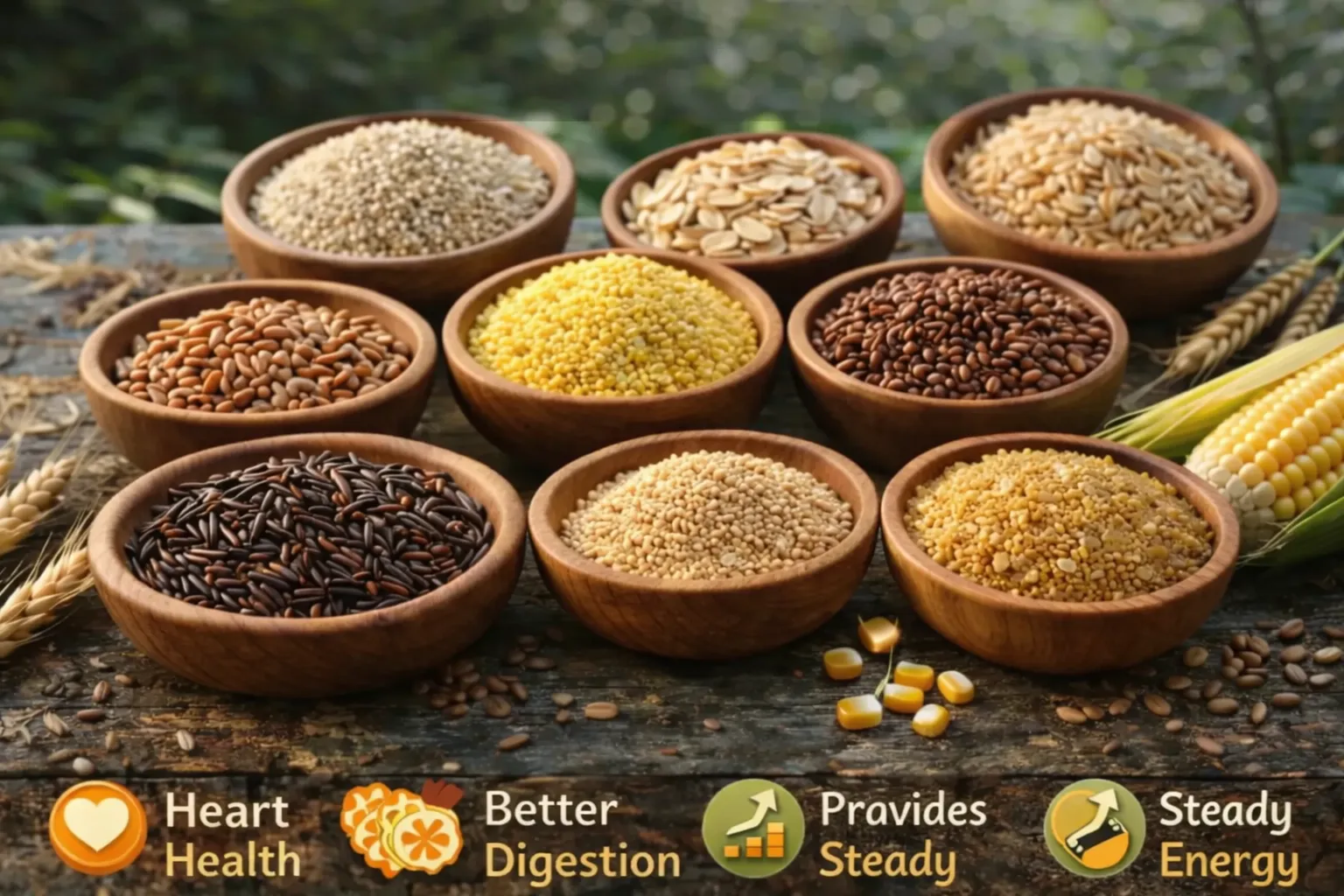
Whole grains like quinoa or brown rice, paired with a lean protein source
Fresh fruit bowls with melons, oranges, berries, etc.
These foods are refreshing and nutrient dense but easier to digest than heavier foods.
2. Incorporate Hydrating Foods into Your Meals
Foods with high water content will help keep you hydrated while also providing vitamins and minerals. The following are good examples:
Watermelon
Cucumber
Zucchini
Citrus fruits
Strawberries
You can always add yogurt or nuts for a mini-well-balanced meal.
3. Make Smaller Meals
If three large meals are unappetizing for you, consider eating five to six smaller meals throughout the day. Smaller meals can hold you over without putting more stress on your digestive system and will hopefully keep your energy higher.
4. Don’t Neglect the Protein
Protein is critical during hot weather for repairing muscles, immunity, and fat, and keeping you satisfied. Lean proteins, like grilled chicken, fish, eggs, Greek yogurt, or plant proteins such as beans, lentils, and tofu, are some tasty examples that will work well in the summer.
5. Drink Smart
Cold sodas and sugary drinks are tempting, but they will only cause further dehydration. Instead, choose:
Water with mint, lemon, or even cucumber
Fresh coconut water
Herbal iced teas
Smoothies using yogurt and fresh fruit
These hydrate you without the ensuing crash that comes with sugar.
6. Add in Some Electrolytes
We also lose some minerals, like sodium, potassium, and even some magnesium, when we sweat a lot in summer. You definitely need to replace lost electrolytes, sodium and potassium specifically, with your diet. Some ways to rehydrate include:
Bananas - potassium
Nuts and seeds - magnesium
High electrolyte drinks, coconut water, or drinks with some sodium and potassium.
7. Listen to Your Body
Of course we eat less in the summer than we do in the winter, but we are probably not continuing to eat at all! It is natural to listen to your body and eat when mildly hungry and comfortably stop eating when satisfied.
An example of a summer eating pattern
Breakfast: Greek yogurt parfait with granola, strawberries, and chia seeds
Mid-morning Snack: watermelon cubes and a handful of almonds
Lunch: Quinoa salad with cucumbers, chickpeas, cherry tomatoes, and olive oil
Afternoon Snack: smoothie with spinach, a banana, orange juice, and flaxseeds
Dinner: grilled fish, sautéed zucchini, brown rice
Hydration is key! Water throughout the day and coconut water in the afternoon.
This kind of eating allows for a constantly steady nutrition approach, which in turn allows for hydration, energy, and light meals. A summer performance eating pattern allows you to eat according to your own body and what it feels like.