What Are Hidden Sugars? 15 Sneaky Names to Watch For
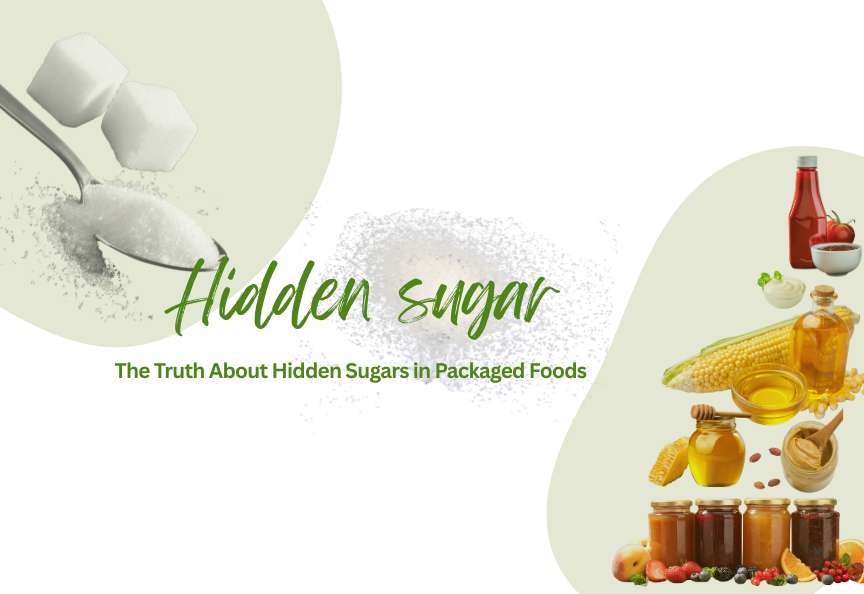
When most people think of sugar, they might think of adding some spoonfuls of white table sugar to tea or coffee or some sweet hits from candy or desserts. However, the reality is that sugar is very present in the foods we eat. It is in your breakfast cereals and flavored yogurts, but also in salad dressings and pasta sauces.
What can be tricky? Companies do not always just use "sugar" as the ingredient. There are many different names used by food manufacturers to disguise added sugars, making it difficult for the shopper to know how much they are actually consuming. And added sugar can add up really fast, even in foods that are not sweet!
One of the best ways to improve your health is to learn to spot sugar on ingredient lists. Websites like Eateriq even analyze ingredients instantly, helping you catch what labels try to hide.
Why Hidden Sugars Are a Major Issue
An excessive sugar intake is associated with various health problems, including:
Weight Gain & Obesity—Extra sugar adds additional empty calories that will be stored as fat.
Type 2 Diabetes—Too much sugar will eventually lead to insulin resistance.
Heart Disease—People who eat too much sugar are more likely to have high blood pressure and higher triglycerides.
Dental Issues—Sugars feed bacteria that cause dental cavities and gum disease.
Energy Crashes—Quick sugar highs will be followed by fatigue and cravings.
According to the World Health Organization (WHO), added sugars should contribute no more than 10% of total daily calories—preferably lower (5%). However, many people consume more sugar than they realize.
Why? Because sugar disguises itself with unknown terms as it appears right in front of us.
15 Sneaky Names for Sugar You Should Know
Here is a list of common faces of sugar on food labels:
1. High Fructose Corn Syrup (HFCS) is often found in sodas, candies, and packaged snack foods.
2. Evaporated Cane Juice—marketed as 'natural,' but in reality it is just sugar.
3. Maltose—Found in cereals, crackers, and baked goods.
4. Dextrose—Another name for glucose. It can be found added to products like bread, pickles, or sauces.
5. Brown rice syrup is a "health food" version of syrup. It's common in granola bars.
6. Agave Nectar—marketed as natural, but it is still concentrated sugar.
7. Sugar Concentrates—Included in "no added sugars" beverages and snacks.
8. Sucrose—The scientific name for table sugar.
9. Molasses—a less refined version, yet still sugar-loaded.
10. Barley malt syrup—used in energy bars and cereals.
11. Glucose-fructose syrup—same thing, just a renamed HFCS.
12. Honey—natural, yet still increases blood sugar like other sweeteners.
13. Coconut Sugar—Fashionable, but equally metabolized as cane sugar.
14. Muscovado Sugar—Less refined but sugar nonetheless.
13. Invert Sugar—Often found in candy and syrups.
Tip: If a product has multiple variations of sugar listed by different names, this should raise a red flag to the consumer. Companies frequently use this tactic to make the total amount of added sugar appear smaller by listing it under different names.
Nutrition - Health) Generally, its sugar content in any food is mostly manageable through nutrition and ingredient labels.
Here are some tips to find the hidden sugars in your foods:
1. Read the Ingredients List—The ingredients on a food label are in descending order of weight. If sugar or one of its many names appears among the first three ingredients, then you know that you are dealing with a very sugary product.
2. Look for "Added Sugars" in the Nutrition Facts. Most governments have eased food labeling procedures by at least segregating added sugars from natural sugars. Actually, it is quite common for products to have added sugars and separate natural sugars.
3. Watch out for false health claims—descriptors and terms such as "organic," "natural," "low-fat," or "whole grain" can be misleading. For example, food products using low-fat ingredients to lure you with a health claim typically add sugar to restore flavor and palatability.
4. Watch for Serving Sizes—Whatever a label calls a single "serving," a single portion on the package may look small compared to what you normally eat. For example, a single bottle of soda that states it contains 2.5 servings may contain 60 g of sugar total.
Examples of Sugars in Your Daily Life
- Flavored Yogurt: A few yogurts have more sugar than ice cream.
- Granola or Cereal: There are many cereals & granolas marketed as "healthy," but they are filled with brown rice syrup or honey.
- Sauces & Dressings: Ketchup, barbecue sauce, and salad dressings all have hidden sugars.
- Energy drinks: High-fructose corn syrup or glucose/fructose syrup is a common ingredient.
- Protein Bars: Many protein bars use agave, malt syrup, or cane juice to disguise their sugar content.