Trans Fat vs Saturated Fat – Which One is Worse for Your Health?
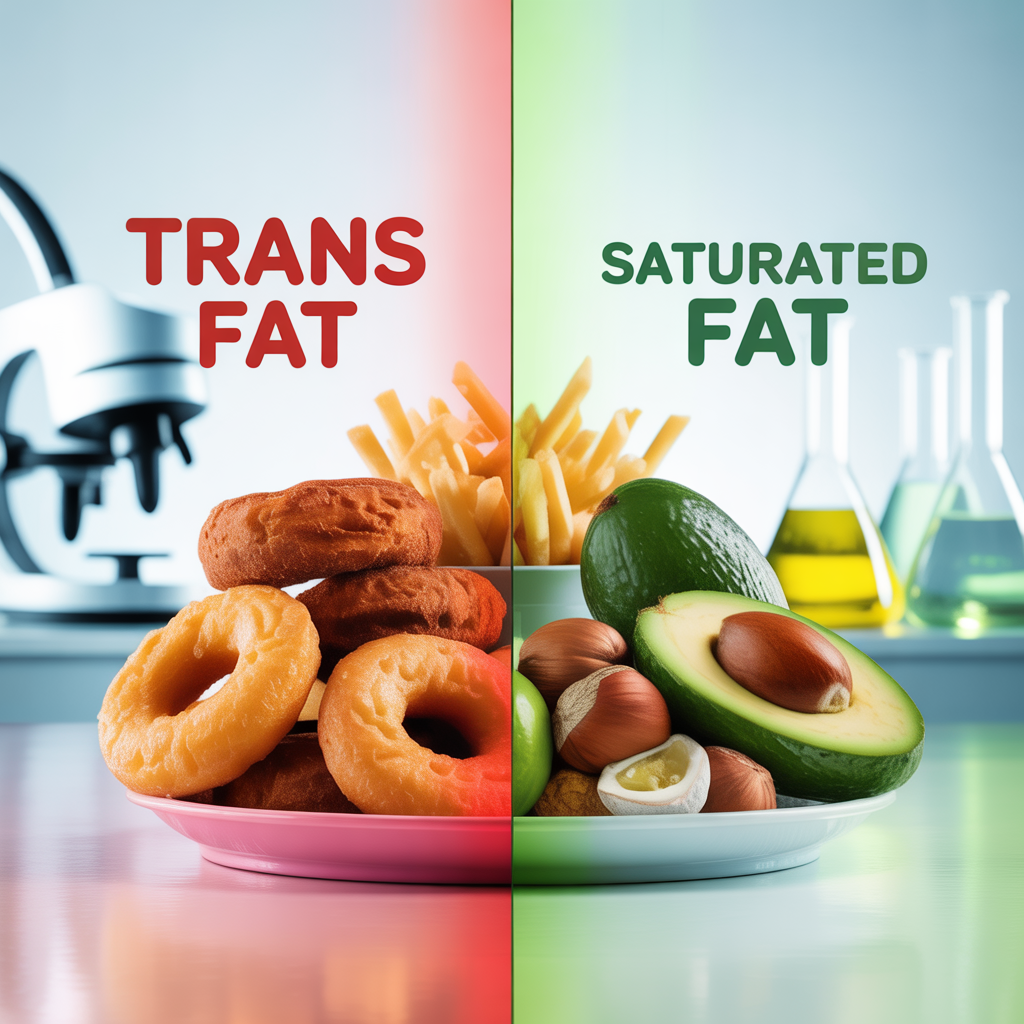
When thinking of dietary fat, not all types of fat are equal. For decades, fats took the blame for weight gain and heart disease, but now we know fats are an essential part of good health. It is critical to distinguish between good fats and bad fats, and trans and saturated fats are two forms that created a lot of discussion. Although both have been associated with health risks, trans fats are usually worse. In this article, we will clarify what each fat is, how it behaves in your body, and which fat is worse for your health.
What Makes Trans Fats Different?
Trans fats are unsaturated fats that have been chemically altered; most commonly, they are unsaturated fats that have been chemically altered as a result of the process of hydrogenation. This process alters vegetable oils from a liquid state into solid fats, allowing processed goods to have a longer shelf life and a different product consistency.
Examples of Trans Fat Sources:
Fried Fast Foods and Snacks (Crackers, Cookies, French Fries, Donuts, Cakes)
Margarine and Shortening
Microwave Popcorn
Frozen Pizzas and Prepackaged Baked Goods
A very small amount of trans fats are naturally found in dairy and meat products. However, the overwhelming majority is the result of industrial hydrogenation, often labeled as partially hydrogenated oils in the ingredients list.
Effects on Health:
Increases "bad" LDL cholesterol and decreases "good" HDL cholesterol
Tallies of heart attacks, heart diseases, and strokes increase.
Chronic disease inflammation
Possible increased risk of type 2 diabetes In the modern diet, WHO has classified industrial trans fats as the most harmful food components and has expressed that they should be removed worldwide.
What Are Saturated Fats?
Saturated fats are occurring fats that are solid at room temperature. Unlike trans fats, they are naturally found in food and not manufactured. Nonetheless, saturated fat has been a controversial topic regarding its health effects.
Common sources of saturated fats:
Red meats (beef, pork, and lamb)
Skin on chicken and turkey
Butter, cream, and cheese
Coconut oil and palm oil
Processed meats (including sausages, bacon, and hot dogs)
Health risks of saturated fat:
Historically correlated to high LDL cholesterol levels (which raise the risk of heart disease)
Can increase weight gain if consumed in excess.
May increase the risk of type 2 diabetes if consumed in high amounts.
There is contention over saturated fat and whether this is a concern. Recent opinions have changed with emerging research. Evidence suggests not all saturated fats have the same health effects. Indeed, how saturated fat interacts with the rest of the diet and lifestyle has a more powerful impact and risk. This suggests that saturated fat in coconut oil or dairy is not, in fact, like processed meats.
Trans Fat vs. Saturated Fat: What's Worse for You?
Trans fat is worse for your health than saturated fat. In fact, trans fats are unhealthy, artificially made, and inflammatory at any consumption level. All major health organizations across the globe agree: there is no safe level of industrial trans fat consumption.
Saturated fats are unhealthy above certain levels but are less dangerous than trans fats, especially if the rest of your diet is composed of fruits and vegetables, whole grains, unsaturated fats, and even the intermittent little cheese or red meat. To sum it up:
Avoid foods that contain trans fat altogether if possible. If you're eating foods containing saturated fat, just eat them occasionally.
Healthier Fats
What is healthier than trans fats and saturated fat? Aim to obtain as much of your fat intake from unsaturated fats as possible. Unsaturated fats have been found to be heart healthy.
Sources of healthy fats:
Monounsaturated fats: olive oil, avocados, nuts (almonds, cashews, peanuts)
Polyunsaturated fats: fatty fish (salmon, mackerel, sardines), walnuts, flaxseeds, chia seeds, sunflower oil
Omega-3 fatty acids: healthy fats important for the brain and heart—found in fish (fatty fish like salmon) and plant-based sources like flaxseeds and chia seeds.
Practical tips to minimize the intake of harmful fats
Don’t buy any food product that has "partially hydrogenated oils" in its nutrition information.
Increase your cooking frequency at home. Having meals prepared by oneself increases control over the selection and quantity of oils and fats used in the meal.
Try using healthier oils such as olive oil and avocado oil instead of butter and shortening.
Get your servings of fried and processed food from whole, minimally processed foods, and cut down on commercially fried and processed foods.
Don’t overindulge in food. Pick a plan like the Mediterranean diet, which includes whole grains, lean proteins, and healthy fats.
Conclusion
The important difference between trans fats and saturated fats might be somewhat confusing, but the important takeaway is that trans fats are the most harmful fats and should be completely avoided. No doubt, saturated fats are far less harmful than trans fats. That said, saturated fats should be consumed in moderation and as a part of a well-balanced diet. By substituting bad fats with good fats such as monounsaturated and polyunsaturated fats, you will not only be reducing the harmful fats that have heart implications, but you also will be promoting better health overall.