Top 7 Diets in 2025: Which One’s Right for You?
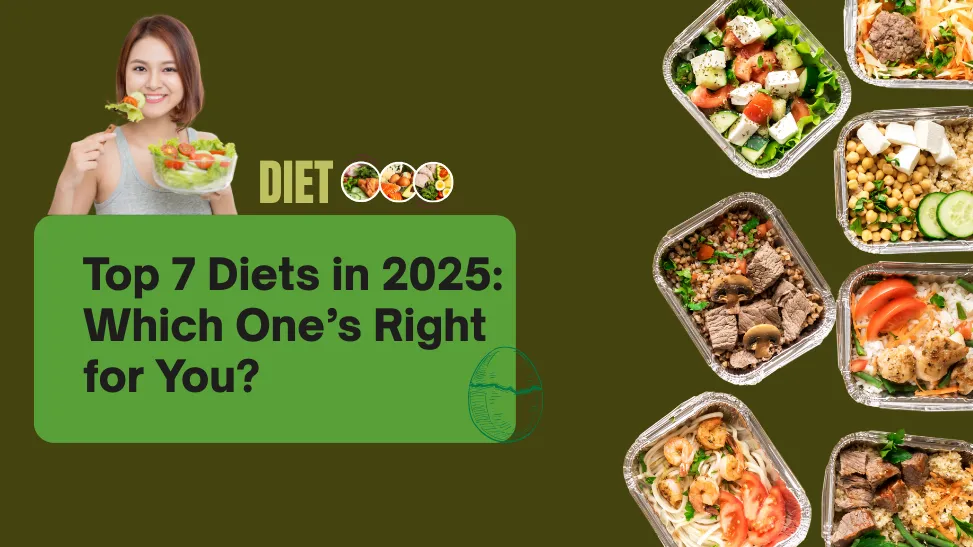
Examining the year's most popular eating plans—and how Eateriq encourages you to follow your eating plans easily.
Nutrition and diets are ever-changing, and 2025 is no exception. From high-fat to plant-based whenever possible, diets are customizable, flexible, and based on data or enough technology that is inspired by data. There are many options, and it can be overwhelming to know which one is a fit for your needs. Fortunately, Eateriq makes whatever diet you are using simple to follow.
1. Keto Diet—Low-Carb, High-Fat, Maximum Fat Burn
The ketogenic diet is all about drastically reducing the amount of carbs you eat and replacing them with fats to essentially push your body into ketosis.
Challenges: Unsuspecting sugars and carbs found in many sauces, snacks, and drinks.
How it works:
Low carb intake and high fat (intensive) diet.
Your body switches into ketosis, where you use fat instead of carbs for energy.
Health benefit:
Encourages weight loss by burning fat for energy (ketosis)
May enhance blood sugar management
Can be more mentally alert and steady in energy
2. Mediterranean Diet – Heart-Healthy & Balanced
The Mediterranean diet emphasizes vegetables, fruits, nuts, fish, and olive oil, which all help support heart health.
Challenges: Finding fresh and unprocessed whole food choices in packaged products.
How it works:
How it works:
Whole foods—vegetables, fruit, fish, nuts, and olive oil.
Cuts down on red meat and over-processed foods and emphasizes healthier fats and fiber.
Health benefit:
Supports heart health and lowers heart disease risk
High in antioxidants and reduces inflammation
May enhance brain health and longevity
3. Plant-based diet—Powered by Plants
Plant-based eating is all about consuming fewer animal products or completely eliminating them.
Challenges: Dairy, eggs, or gelatin hidden in snacks or drinks.
How it works:
Your meals are based on fruits, vegetables, legumes, whole grains, nuts, and seeds.
Minimizes or completely removes animal products.
Health benefit:
Reduces risk of heart disease, diabetes, and certain cancers
Supports healthy digestion and is high in fiber
Often associated with lower body weights and improved cholesterol levels
4. Intermittent fasting—timing over calories
Intermittent fasting allows you to eat during specific windows. i.e., 16:8 (16 hours of fasting and 8 hours of eating).
Challenges: How to get balanced nutrition in your eating window.
How it works:
Cycles of eating and fasting (e.g., 16:8).
It modulates hormones and the amount of time it takes to burn fat.
Health benefit:
Encourages weight loss and fat burning
May help enhance insulin sensitivity
Can promote cellular repair and longevity
5. Paleo diet—How to eat like a caveman
Based on the diet of those before us—hunter-gatherers (meat, fish, vegetables, and nuts) with avoidance of grains, dairy, and processed foods.
Challenges: Grains or other banned ingredients hidden in packaged foods.
How it works:
Abstains from grains, dairy, and processed foods.
Focus on meats, fish, fruits, vegetables, and nuts—foods that were available to early humans.
Health benefit:
Encourages whole, nutrient-dense foods
May reduce inflammation
May help stabilize blood sugar levels
6. DASH diet—designed to not increase your blood pressure!
The DASH diet helps you to lower your blood pressure while using fruits, vegetables, whole grains, lean protein, and vegetable fats and restricting sodium in your diet.
Challenges: Packaged foods or restaurant foods contain high sodium.
How it works:
Highly encourages whole foods, such as fruits, vegetables, whole grains, lean proteins, and low-fat dairy.
Aims to lower your sodium and processed food intake to limit your blood pressure.
Health benefit:
Clinically proven to lower high blood pressure
Encourages heart health
May help with weight management
7. Flexitarian Diet—A Combination of the Best of Both Worlds
Predominantly plant-based, but allows for periodic meat or fish eating.
Challenges: the sheer variety of options and trying to avoid too much processed meat.
How it works:
More plant-based, with occasional meat or fish.
Encourages variety and balance to promote long-term enjoyment.
health benefit:
Encourages the benefits of plant-based but promotes moderate animal protein
May improve heart health and digestion
The flexibility of this approach may promote long-term adherence.
Why EateriQ Makes Sense No Matter What Diet You Follow
Regardless of which diet you choose, one of the main factors for success is knowing exactly what is in your food. EateriQ scans your labels, alerts you of hidden ingredients, rates health scores, and provides educational questions and quizzes to help keep you engaged. It allows you to follow your diet of choice, whether you are keto-curious or a committed vegan, while having a more pleasurable journey.