Top 10 Misleading Marketing Phrases on Packaged Foods
Top 10 Misleading Marketing Phrases on Packaged Foods
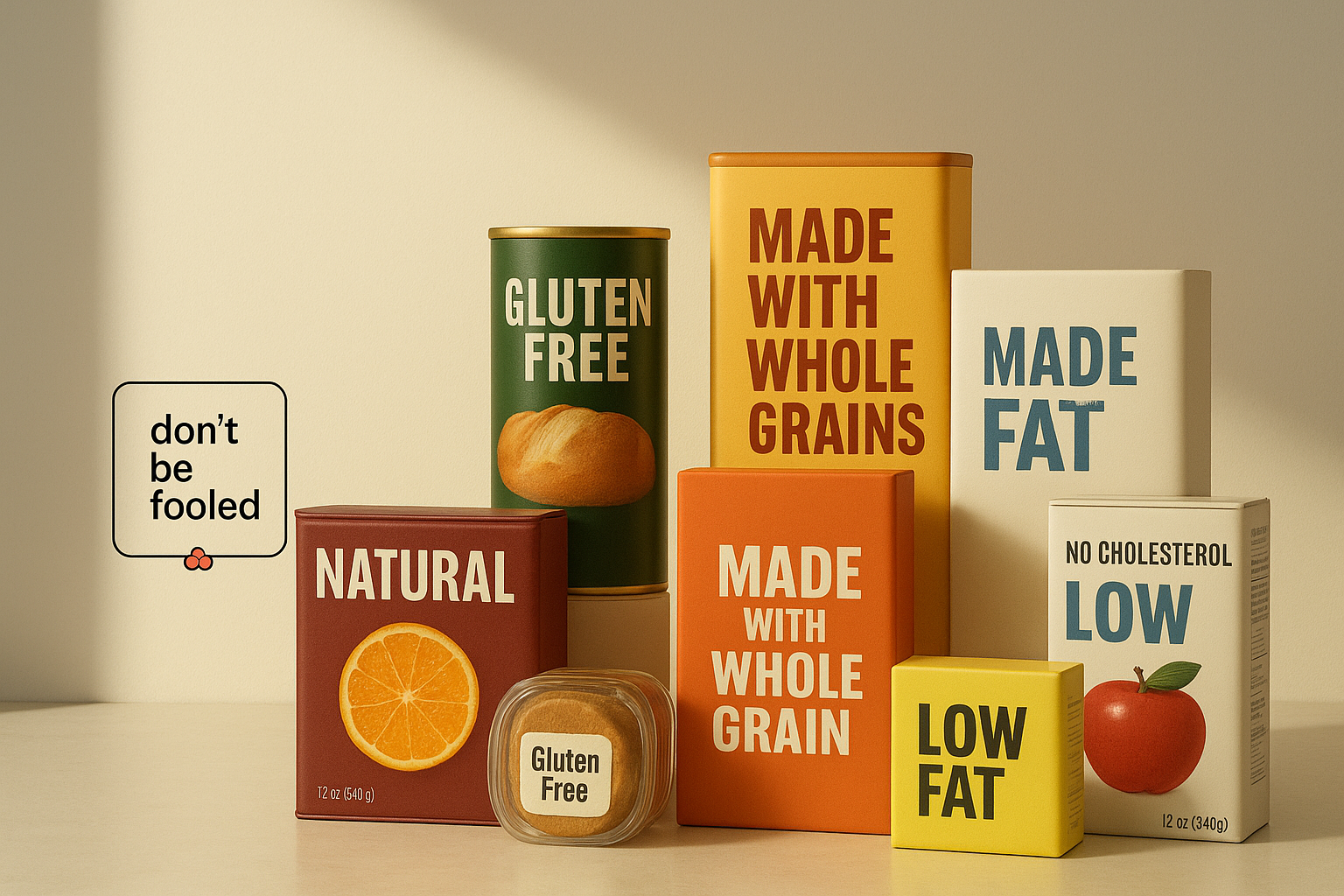
Walk down any supermarket aisle, and you’ll spot packages flaunting ‘all-natural,’ ‘sugar-free,’ and ‘made-with-whole-grains’ buzzing phrases. Such tags grab your attention and manipulate you into choosing a supposedly healthy option, even though many of these claims are merely clever ways to obscure the true contents of the package.
With an increasing number of shoppers concentrating on eating and living healthily, food manufacturers have fine-tuned the art of phrasing to influence beneficial choices. Before you place that item in your cart, here are the top 10 misleading marketing statements on packaged foods to watch out for. how tools like Eateriq can help you see past them.
1. All-Natural
The word “natural” is meant to invoke feelings of safety, wholesomeness, and cleanliness. However, its definition is unclear in nearly every country. A product can be labeled “natural” yet still contain added sugars, preservatives, and processed ingredients. Make sure to check the ingredients list instead of relying on the label.
2. No Added Sugar
On initial inspection, it seems as if it would be enjoyable to eat. It is not. Such “no added sugar” labels tend to bear agreements to “sweeten” with honey, juices, and so forth, leading to a cervically sweet composition. It is of significance to remember that fruit juices can compete with sodas in terms of sugar content, even in the absence of “added” sugars.
3. Fat-Free or Low-Fat
During the 1990s, which was termed as the decade of the low-fat fad, the assumption that fat-free is healthy became rampant. What’s the issue? To tastefully maintain the product, after fat is taken out, an artificial mixture of sugar, refined carbs, or some other ingredient needs to be put in. These substitutes, which are often worse than fat, have the propensity to cause harm.
4. Made with Whole Grains
This phraseology is a conventional deceit in the realm of cereals, bread, and snack foods. The phrase “made with whole grain” is not indicative that the product is primarily made of whole grains. More often than not, refined flour is the first ingredient, and whole grains are merely added as a marketing gimmick.
5. Gluten Free
The gluten-free label is critical for individuals with celiac disease or gluten intolerance. However, it can be dangerous for the rest of the population. Most gluten-free foods are processed and contain high levels of sugar, fat, or starch. Thus, the label "gluten-free" should not be conflated with "healthy."
6. Organic
The label “organic” adheres to certain farming requirements, but this does not imply the product is nutritious. An organic biscuit is still a biscuit, and an organic soft drink is still a soft drink. “Organic” refers to the method in which food products are cultivated, not the health benefits of the food products.
7. Sugar-Free
The same issues that affect “fat-free” products also tend to affect “sugar-free” products. You will likely find an artificial sweetener such as sucralose or aspartame in a “sugar-free” food product. Although these substances may decrease calories, some research indicates that they harm gut health, increase cravings, or have several other adverse effects.
8. Lite or Light
The word “light” can have multiple interpretations. Occasionally, it means lower calories. Sometimes it means lower fat. At other times, it could mean less color or flavor. It becomes virtually meaningless without any additional information. A "light" salad dressing can still be high in sodium or sugar.
9. Enhances Immunity or Supports the Immune System
The rate at which such hashtags and words of mouth are growing is unimaginable. After the pandemic, a product that would say ‘immune boosting’ or ‘supports immunity’ on it would probably get instant shelf space in a retailer’s store. However, little valid scientific research exists to substantiate such claims, regardless of the duration of the product’s existence in the market. Vitamins that support immune health, such as C or D, do help immunity. However, adding a tiny bit to a sugary cereal is not going to work miracles.
10. No Cholesterol Claim
Some plant-based foods (such as vegetable oils and certain chips) care to flaunt a health claim like “no cholesterol.” Here is the truth—cholesterol is only found in animal-based foods. Thus, labeling plant-based oils and chips as “no cholesterol” not only doesn’t add any value, but it is actually a deceptive marketing practice since these foods do not have cholesterol to begin with.
HOW TO BEAT THE LABELS
Navigating the misleading buzzwords in health marketing can be tricky. Here’s how to deal with them effectively:Always start by reviewing the ingredient list. The less, the better. Look at the nutrition facts. Focus on sugars, salt, and fiber, not just calories. Always approach big claims with suspicion. If a deal appears excessively favorable, it likely is. Compare products. The store-brand versions of foods are often better for you than the so-called 'healthy' branded ones. Think of your diet as a whole. Fresh fruits and vegetables, lean meats, and minimally processed foods are always the better choice.
Inquire When Eating Out:
Don't assume a dish is safe—there may be unlisted allergens in sauces, spices, or even in breadings and other menu items that aren't stated or spoken of.
Token ‘Natural’ or ‘Hypoallergenic’ Labels: They’re meaningless without regulations, and the product may still contain ingredients that trigger your allergies.