Top 10 Ingredients to Avoid on Packaged Foods
Top 10 Ingredients to Avoid on Packaged Foods
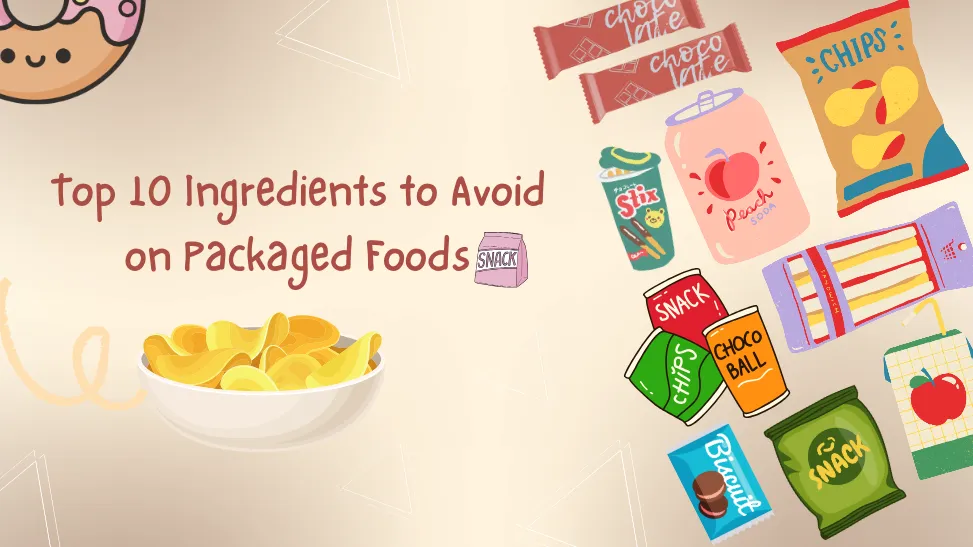
Packaged foods present a quick and affordable solution in an increasingly fast-paced society. While there may be some benefits to this convenience, many of these products contain secret ingredients that may, in the longer run, negatively affect your well-being. Reading labels carefully is one of the best things you can do to eat a little smarter. Here are ten ingredients, commonly found in packaged foods, which you should avoid as much as possible.
1. Artificial Sweeteners
We're all somewhat familiar with artificial sweeteners, either aspartame, sucralose, saccharin, etc. These products are marketed and bought as "diet food" (not to mention their low or no-calorie amounts). Studies have noted the potential damage to gut bacteria and that these artificial compounds may lead the brain to crave more high calorie sugary foods, "sweets," and possibly contribute to metabolic disorders. Instead of using artificial sweeteners, if you want to add sweetness to food, try natural sweeteners (honey, stevia, monk fruit extract, etc.).
2. Trans Fats
Trans fats, or partially hydrogenated oils, are harmful fats you want to eliminate from your diet. Trans fats raise bad cholesterol (LDL) and lower good cholesterol (HDL), which increases the risk of heart disease and stroke, with type 2 diabetes being another risk factor. Most countries are banning or limiting trans fats, but there still are packaged snacks (chips), baked goods, and fried foods that have trans fats, so always check the label for partially hydrogenated oils.
3. High-Fructose Corn Syrup (HFCS)
HFCS is a cheaper alternative to sugar, and it is found in sodas, candies, sauces, and every processed snack that you can name. Research is continually conducted and has related HFCS consumption to obesity, an increase in insulin resistance, fatty liver disease, and increases in diabetes risk. If possible, choose foods with natural sweeteners or at least no added sugars.
4. Monosodium Glutamate (MSG)
MSG is a way to enhance food and flavor when you are making chips, packaged snacks, soups, and frozen meals. According to the FDA, "MSG has been shown to be safe to eat in small amounts"; however, consumers have given varied reports of their experience after consuming MSG, including headaches, vomiting, and fatigue. MSG can impair your ability to taste food and make you consume excessive amounts of food by tricking you into thinking you are tasting something much better than it is.
5. Preservatives (BHA and BHT)
Butylated hydroxyanisole (BHA) and butylated hydroxytoluene (BHT) are chemical preservatives added to foods like cereal, chips, and oils to prolong shelf life. There is some evidence that indicates it may behave as an endocrine disruptor and is classified as a possible carcinogen. It's better to choose foods that contain natural preservatives such as vitamin E and rosemary extract.
6. Artificial Food Colors
Artificial colors are commonly found in most of the bright candy we eat, soft drinks, snack foods, and many other products. These include synthesized dyes such as Red 40, Yellow 5, and Blue 1. Some dyes have been shown to stimulate hyperactivity in children and possible allergic reactions. Although many studies on artificial food colorings are merely correlational in nature, experts typically advise against them in children for these reasons! Coloring foods with natural coloring agents sourced from beet juice, turmeric, or spirulina is always safer for our kids (as well as many adults).
7. Sodium Nitrites and Nitrates
Sodium nitrites and nitrates are added to some of our delicious processed meats, hot dogs, sausages, and delicatessen meats to preserve flavor and freshness (and color). Unfortunately, when cooked at high temperatures, the sodium nitrites and nitrates react with amino acids in the meat and produce nitrosamines, which are linked to an increased risk of cancer. The easiest way to eliminate indirect additives such as sodium nitrites and sodium nitrates is to stick with fresh and unprocessed meats as much as possible.
8. Refined Grains
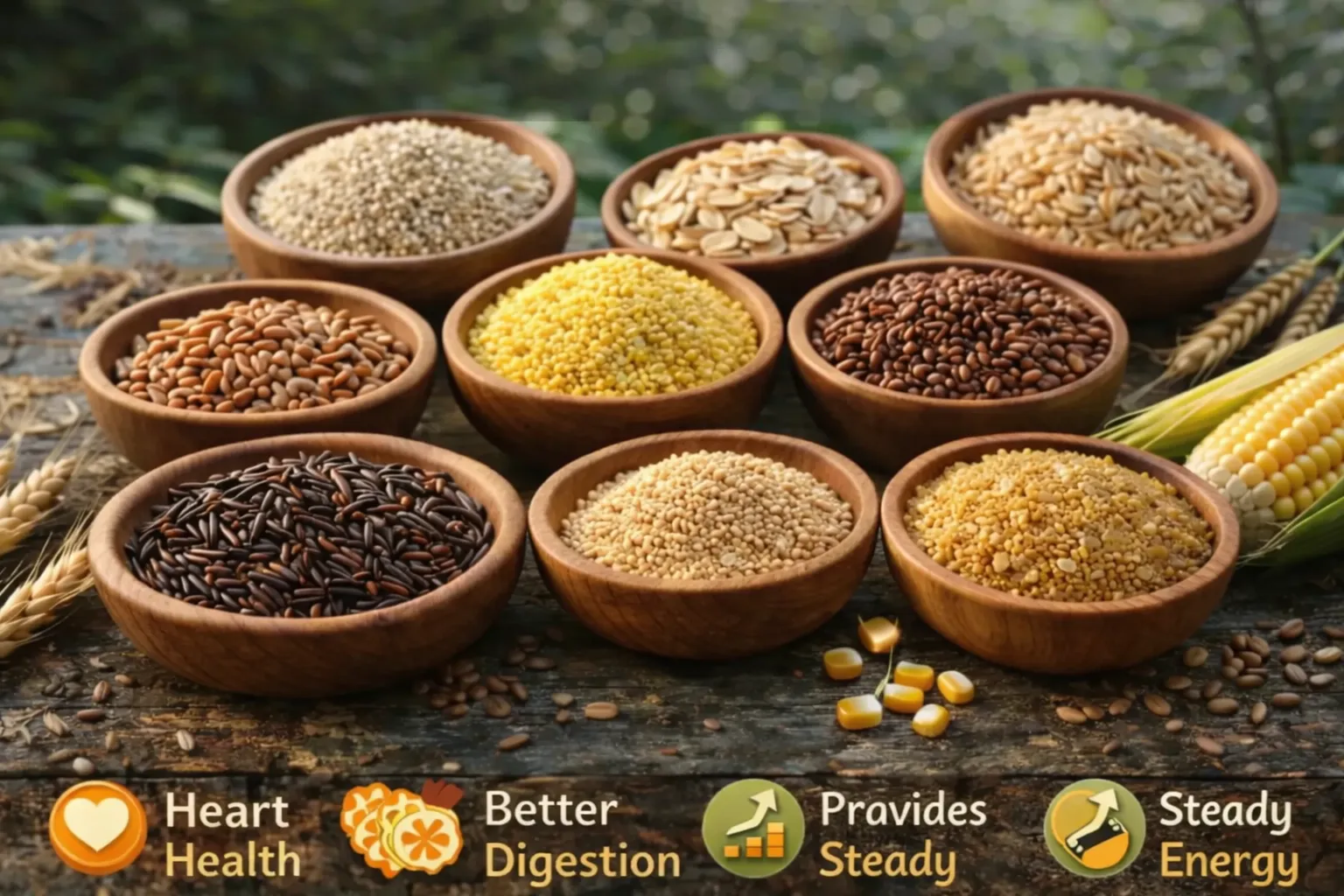
Similarly, many packaged products with white flour, enriched wheat flour, or some other refined grain lose 90%+ of their nutrients when processed. Refined carbohydrates, of which white flour (the basis for white bread) is one, are much more easily converted to glucose, which rapidly hits our bloodstream as blood glucose, which ultimately makes you hungry again in about an hour or so. Whole grains like oats, quinoa, and brown rice do a much better job of sustaining your energy and are much healthier.
9. Excessive Sodium
Salt gives taste to processed foods and makes food last longer, not just because it adds flavor. Excess sodium can result in hypertension, heart disease, and damage to your kidneys. Some of the most poorly processed foods that contain high sodium levels are soup, chips, sauces, and frozen meals. A suggested sodium level is lower than 2,300 mg a day (which is about 1 teaspoon of salt).
10. Palm Oil
Palm oil is cheap, can last a long time, and you can find palm oil in many cookies, crackers, and instant noodles. Although palm oil is not harmful in small quantities, palm oil is usually incredibly processed and can contribute to pro-inflammation and high cholesterol levels. Palm oil is responsible for deforestation, and while this is not an issue with palm oil itself, if given the choice, it's better to eat foods containing a healthier oil like olive oil or avocado oil.