The Most Common Mistakes People Make When Reading Nutrition Facts
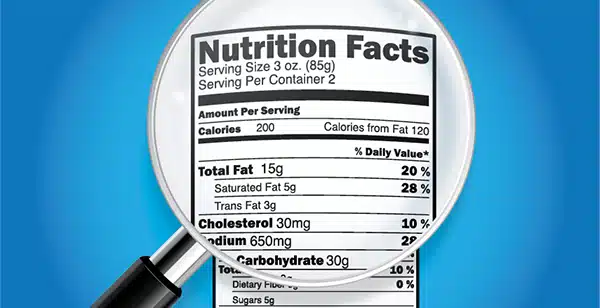
You’ve probably glanced at a nutrition label before tossing a snack into your cart. But even well-intentioned shoppers make common mistakes when reading Nutrition Facts, and those slip-ups can quietly sabotage your health goals.
Mistake #1: Ignoring the Serving Size
Why it matters:
A “low-calorie” snack might seem harmless… until you realize the package contains 3 servings, not 1.
Fix it:
Always check the serving size and compare it to what you’re actually eating. Eat IQ automatically factors this in, so you know the true nutritional impact in seconds.
Mistake #2: Only Looking at Calories
Why it matters:
Calories are just one part of the puzzle. You could eat a 100-calorie snack that’s packed with sugar and additives—or a 200-calorie snack that’s full of fiber, protein, and healthy fats.
Fix it:
Focus on nutrient density, not just calorie count. Eat IQ helps by giving each food a health score based on full nutrition and ingredient quality.
Mistake #3: Falling for Buzzwords
Why it matters:
Words like “natural,” “low-fat,” or “organic” sound wonderful, but they can distract you from what’s actually inside. Many ultra-processed foods wear health halos thanks to clever packaging.
Fix it:
Don’t trust the front of the label. Flip it around and use Eat IQ to analyze ingredients and spot red flags (like added sugars or artificial sweeteners).
Mistake #4: Overlooking Added Sugars
Why it matters:
Many products sneak in sugar under different names: corn syrup, agave nectar, maltose, fruit juice concentrate… the list goes on.
Fix it:
Eat IQ flags added sugars instantly—even when they’re disguised under fancy names. You'll know exactly how sweet your snack really is.
Mistake #5: Not Understanding Daily Values (%DV)
Why it matters:
Percent Daily Values help you understand how a nutrient fits into your daily diet—but they’re based on a 2,000-calorie baseline, which may not match your needs.
Fix it:
Use %DV as a rough guide, not gospel. Eat IQ simplifies this by highlighting nutrients that are too high or too low for the average person.
Mistake #6: Improper Rounding of Values
Why it matters:
Nutrition labels are allowed to round values, which can make foods seem healthier than they really are. For example:
“0 grams trans fat” can legally mean up to 0.49 grams per serving.
“Less than 5 calories” could still impact your diet if consumed often.
These small amounts add up fast, especially if you eat multiple servings.
Fix it:
Don’t let rounded numbers fool you. Look at the ingredients list (e.g., partially hydrogenated oils = trans fats).
Mistake #7: Ignoring Local or Evolving Regulations
Why it matters:
Nutrition labels aren't the same worldwide, and even within the same country, regulations change. What’s allowed in one region (like artificial dyes or sweeteners) may be banned or restricted in another.
For example:
The EU requires E-numbers and clearer allergy labeling.
The U.S. updated its nutrition label in 2020, changing how added sugars and serving sizes are shown.
India’s FSSAI rules are still evolving to include clearer front-of-pack labeling.
Fix it:
Stay informed, and don’t assume the label is always telling you everything. Apps like EaterIQ analyze ingredients across global databases and flag region-specific concerns, so whether you're traveling, importing products, or shopping local, you stay in the know.
Mistake #8: Failing to Update Labels After Recipe Changes
When food manufacturers or home cooks tweak a recipe—swapping ingredients, changing portion sizes, or adjusting sugar or fat content—it’s easy to forget one critical step: updating the nutrition label. But even small changes can significantly affect the product’s nutritional value, allergen content, and ingredient accuracy.
📉 Why it matters:
An outdated label misleads consumers, violates food labeling regulations, and can even pose health risks—especially for people with allergies, intolerances, or medical conditions like diabetes or hypertension.
✅ How to fix it:
Always review and update your label after any recipe adjustment.
If the recipe is sold commercially, please ensure that your label complies with regulatory standards and accurately reflects all updated nutrient data and allergens.
✅ The Smart Way Forward
Reading Nutrition Facts shouldn’t feel like decoding a science textbook. That’s where Eateriq comes in:
Just scan and get instant insights based on real science—not marketing.
Whether you’re trying to manage blood sugar, avoid hidden additives, or just shop smarter, we’ve got your back.