The 10 Keys to Healthy Eating

Knowing the 10 Guidelines of Good Nutrition
Eating well means not eliminating your preferred meals or following a strict set of guidelines. It implies a correct equilibrium, a great diversity of meals, and a well-informed choice that helps your body's health while also offering pleasure. Determining the correct source of guidance can be challenging given the abundance of conflicting data available. The ten guidelines of good eating that are realistic and demand minimal time or effort are included here.
1. Give natural foods top priority.
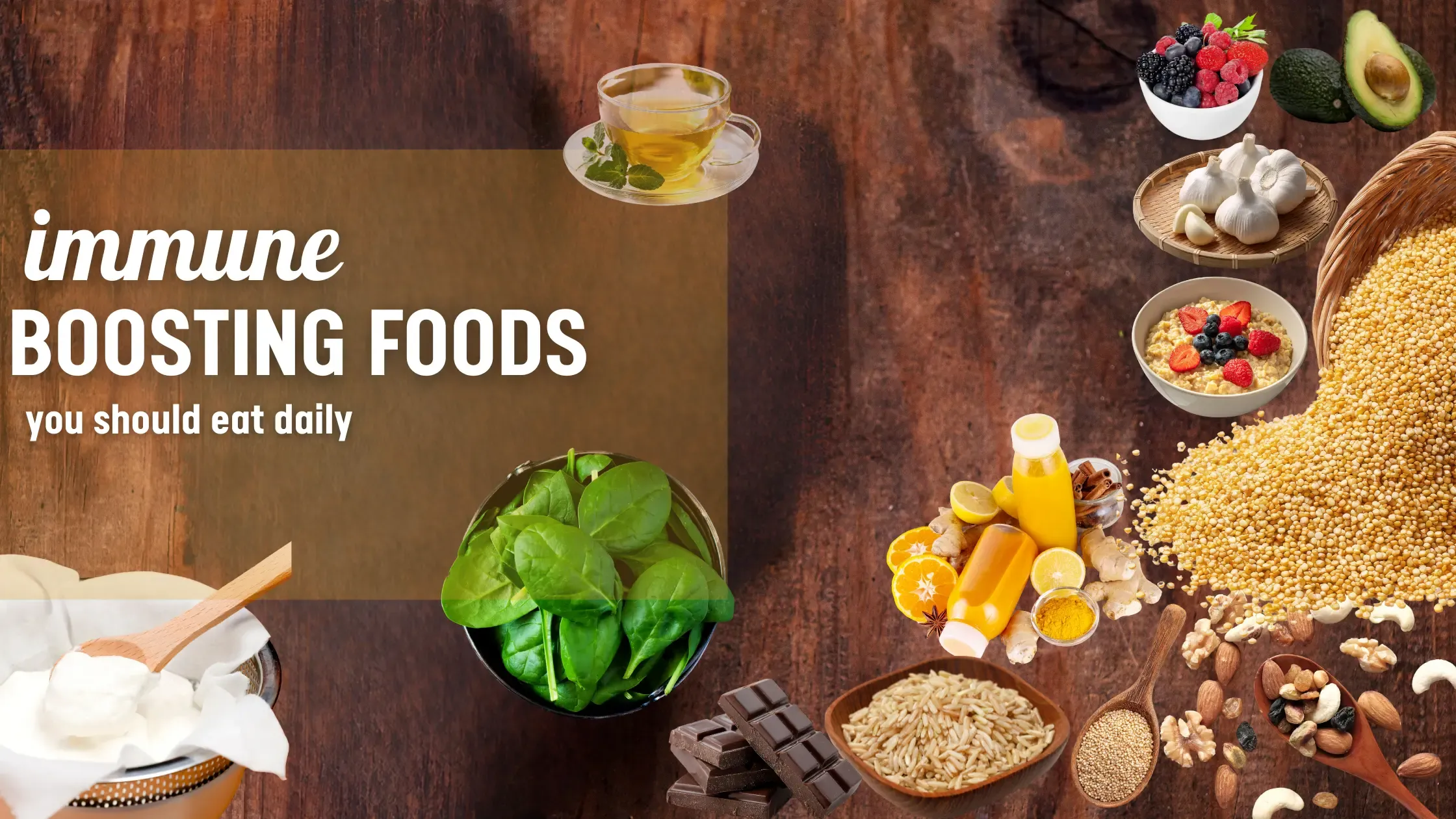
When ingested in their whole states, lean proteins like nuts, fruits, veggies, and whole grains give your body vital nutrients. Processed foods, on the other hand, include a mix of added sugars, poor lipids, and other synthetic substances. Build your diet around whole meals to give your body healthy energy and lower your risk of developing chronic illnesses.
2. Eat a great many bright fruits and vegetables.
Showing a rainbow on your plate suggests an appealing visual appeal and a range of vitamins. Selectively employed from and properly regulated in leafy greens, orange carrots, purple eggplants, and red berries are certain vitamins, minerals, and antioxidants. Aim for fruit and vegetables to cover at least half of your plate.
3. Choose Carbohydrates Knowledgeably.
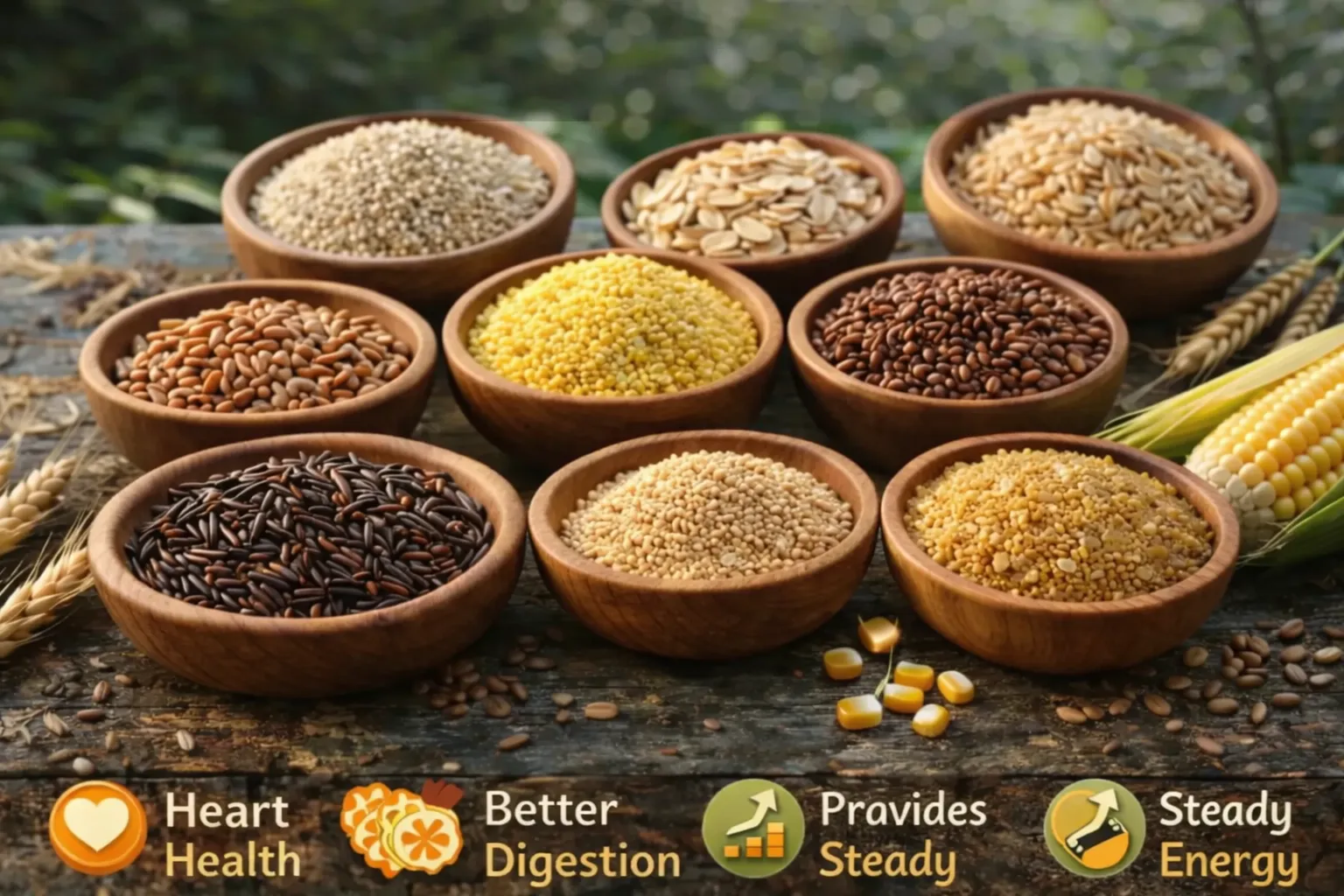
Carbohydrates provide the energy your body requires, yet not all types of carbs are exactly equal. Exchange complicated carbohydrates for white bread and sweet treats.
4. Every meal should have lean protein.
Protein keeps you fuller for longer, supports metabolism, and aids tissue repair and building. Include lean protein sources like poultry, eggs, beans, tofu, and lentils, among others. Plant-based proteins are especially helpful because they add fiber and antioxidants to your food.
5. Don't be terrified of good fats.
For decades, lipids were unfairly blamed for health issues. However, the fact is that your body requires good lipids for nutrient absorption, hormone balance, and brain activity. Unsaturated fats abound in avocados, nuts, seeds, olive oil, and fatty fish such as salmon. Moderation is the key; restrict fried meals and trans fats.
6. Exercise Portion Control
Eating vast quantities of even nutritious foods can cause weight gain. One simple strategy for portion control is to use the "plate method":
Half the plate: fruits and vegetables.
One-fourth: whole grains
One-fourth: lean protein.
Staying in balance also depends on listening to hunger signals, employing smaller dishes, and abstaining from unconscious snacking.
7. Keep yourself hydrated.
Every system in your body, from digestion to circulation, depends on water. Dehydration can cause migraines, tiredness, and inability to concentrate. Aim for at least 6–8 glasses of water per day; modify if you are active or living in a hot environment. Reduce sodas and sugary beverages; in moderation, savor unsweetened coffee or tea.
8. Diminish intake of added sugars and excess salt.
The risks associated with different nutrients are well-known: a high intake of salt increases the risk of hypertension, and excessive sugar promotes obesity, type 2 diabetes, and cardiovascular diseases. It is important to examine food labels carefully because a lot of packaged foods contain salt and sugar 'hidden' for taste enhancement. Pick sweeteners like fruits, and use a combination of herbs and spices where possible during cooking in place of salt.
9. Eating awareness.
The other side of healthy eating is how you eat, not just what you eat. Healthy eating is devoid of distractions and is composed of mindful eating and appreciation of each bite and eating slowly. TURN OFF phones, television, and all forms of loud entertainment during mealtime, and focus on the compositions of your food—the textures, combinations, and the smells. This behavior will help enjoy meals and curb binge eating.
10. Strive for consistency, not for perfection.
Good food nutrition is almost always a question of consistency. A single or a handful of decadent dinners, or even a couple of skipped salads, won't substantially affect one’s health. Maintaining progress is more important than 'getting it right.' If you fancy a treat, take it guilt-free and return to your balanced diet at your next meal. Sustainable change is created by forming habits that last a lifetime.
Finally, a few comments
Healthy eating doesn't have to be hard or limited. Staying hydrated, being aware, eating plenty of veggies, lean protein, and fat, and using these ten keys to whole foods can help you live a nutritionally sustainable life. Tools like Eateriq can also help simplify the process by making food choices clearer and easier to manage.
Remember that the aim is to create a good food connection that helps your mental as well as physical wellness. The goal isn't to have a flawless diet. Little, steady decisions over years result in great outcomes. Beginning with one or two adjustments, gradually build upon them; wholesome eating will feel natural before you even notice.