Smart Grocery Shopping: How to Save Time and Eat Better with Apps
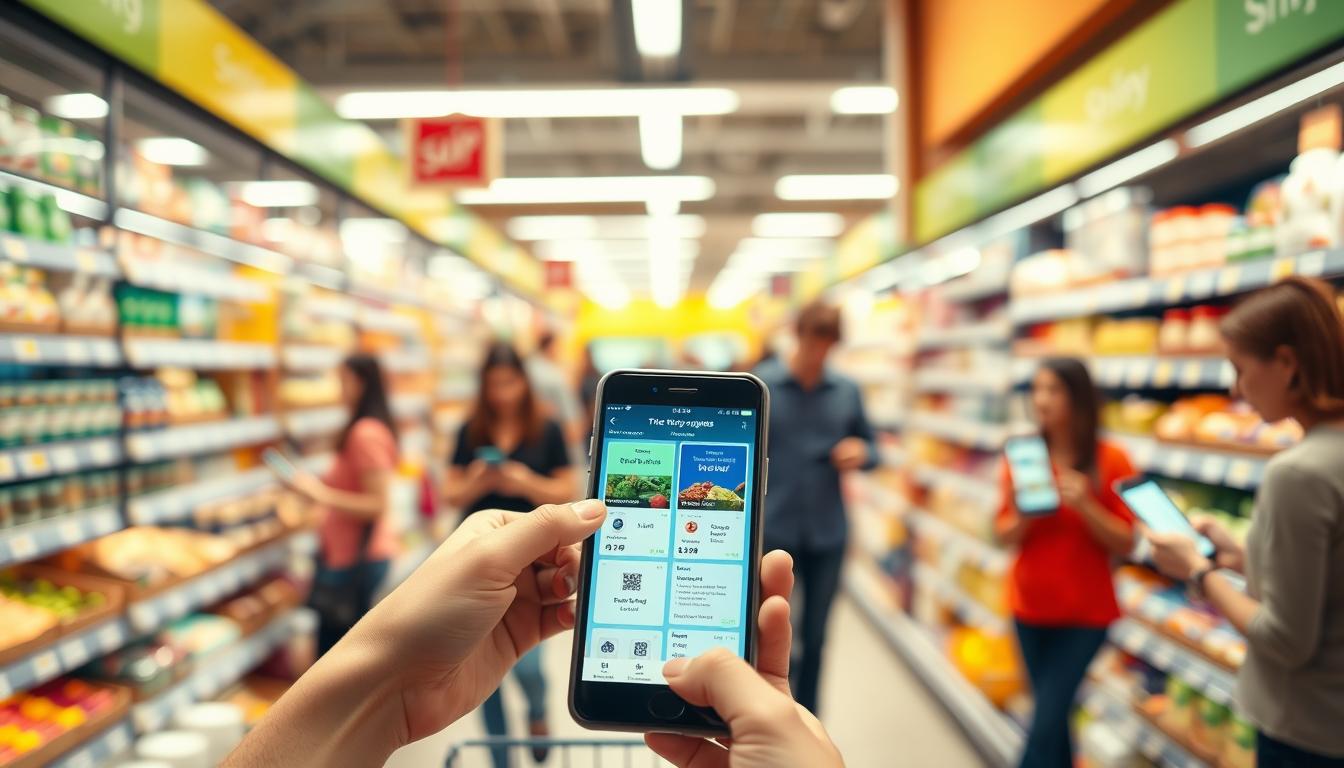
75% of American shoppers now use at least one grocery shopping app each month. This change has turned quick errand lists into digital meal plans.
This guide helps U.S. families and busy professionals save time and eat healthier. Mobile grocery apps like Instacart, Walmart Grocery, Amazon Fresh, and Target’s Shipt offer delivery and curbside pickup. They also provide instant grocery delivery app options to save time and reduce stress.
Why grocery shopping apps change how you shop
Mobile tools have changed grocery shopping from slow errands to quick tasks. Apps like grocery delivery and list apps put store info, coupons, and meal ideas in your pocket. This makes shopping less about wandering and more about making smart choices.
Time-saving benefits of mobile grocery apps
Apps like Instacart, Walmart Grocery, and Amazon Fresh let you skip the trip and get groceries at your door. Services like DoorDash Grocery and GoPuff speed up urgent grocery needs.
Pickup options like curbside and in-store save time. Features like saved lists, barcode scanning, and aisle maps make shopping faster. They also help with predictive reorders.
How apps help you eat healthier and plan meals
Many apps include meal planners and recipe-to-list tools. They help build a balanced menu. Recipes add ingredients to your list, making meal planning easier.
Nutrition filters and dietary tags make it easy to find healthy options. Apps suggest whole-food choices and portion-aware shopping. This helps you eat better.
Pairing meal plans with grocery list apps reduces impulse buys. You end up with a cart that supports healthy habits and less food waste.
Types of grocery apps: delivery, list, price-comparison, and AI assistants
Delivery apps like Instacart, Shipt, Amazon Fresh, and Walmart Grocery offer scheduled windows and membership perks. Fees and membership levels vary by service.
AI assistants, like EaterIQ, do more than offer store loyalty features. They learn your habits, could predict needs, and help select foods - encouraging health and minimizing waste.
Privacy and data considerations for grocery store apps
Grocery store apps collect data like purchase history and dietary preferences. This data fuels personalization and targeted deals, which many value.
There's a trade-off between convenience and privacy. Always read privacy policies and check permissions before granting access to your data.
How to choose and use the best grocery shopping apps for your needs
Choosing the right grocery apps is about matching features to your lifestyle. Start by listing what you need: fast delivery, loyalty programs, price checks, or hands-free entry. Try one delivery app and one list app to see what works best for you.
Key features to look for in top grocery shopping apps
Look for apps that can help make the list making process easy, sync across devices, and offer the option to share your lists. Features like a barcode scanner, weekly in-app coupon offers, saved favorites and a clear scheduling guide, would all reduce stress while shopping.
Evaluate if the app offers flexibility in payment options, clarity on fees and good customer service. try to find apps that provide real-time inventory tracking and updates to avoid substitutions while using delivery services.
Comparing grocery delivery apps, online grocery shopping apps, and instant grocery delivery app options
There are platforms like Instacart and Amazon Fresh, which cover a broad area and then have scheduled delivery slots. As well retail apps, like Walmart Grocery and Kroger, which connect to loyalty programs and digital coupon sign ups.
Lastly, there are instantaneous services like GoPuff and DoorDash Grocery which are similar but they can be fast and lowering inventory stocks and tend to have high fees.
Using a price comparison grocery app to save money
Tools like Flipp and Basket compare prices by scanning ads and unit prices. Build your list, search items, and choose the best store for savings.
Watch for per-unit prices to avoid big package deals. Some apps offer cash back and coupons that stack with store discounts.
Personalization: AI grocery shopping app and personalized grocery app benefits
AI apps predict needs, suggest recipes, and create auto-reorder lists. Personalized apps reduce decision fatigue and impulse buys.
Retailers like Kroger and Walmart use personalization in loyalty accounts to suggest healthier choices and deals.
Integrating store loyalty and coupons with grocery store apps
Link loyalty accounts in apps like Kroger, Safeway, and Target Circle for automatic digital coupons. Stacking offers can increase savings.
Create an account, link loyalty cards, and invite household members. Import past orders or save favorites and set recurring orders for staples in a list app.
Conclusion
Smart grocery shopping isn’t about using every app—it’s about picking the right ones for your lifestyle. AI assistants and loyalty integrations make the process even smoother.
By combining just a few apps, you can:
Save money with deals and coupons
Eat healthier with meal planning and nutrition filters
Reduce food waste and stress
Check privacy settings, link loyalty rewards, and start small. With the right apps, you’ll turn grocery shopping into a faster, healthier, and smarter routine.