Smart Grocery Shopping: How to Choose Nutritious Foods on Any Budget

Eating healthy doesn't have to be a costly affair, take a lot of time, or create stress. A few basic tactics and the right preparation can allow you to buy healthy food in the grocery store that is also inexpensive and, consequently, good for your health in the long run. Making your grocery list along with the foods you have decided to purchase will allow you to get the most out of the nutritious foods you have picked out, regardless of whether you are cooking meals for a family or only for yourself.
At EaterIQ.com, we are all about simplifying healthy eating. With the knowledge of food quality, health scores, and ingredient lists, we make it possible for you to shop confidently for food without the necessity of injecting more money than you absolutely have to on the items you are going to purchase. This guide offers you the step-by-step instructions to achieve your target.
1. Plan Ahead (Even If It Is a Basic Plan)
It is not essential to have a strict meal plan when making wise shopping choices; however, having an idea of the meals you will make during the week can help you avoid impulsive buying and consequently reduce the amount of food that is wasted.
Here are a few quick tips on how to organize your week:
Write down approximately 5 or 6 easy and quick meals that you can prepare within the week.
Plan your meals around what you already have in your pantry/food storage area.
Look for sales/discounts on the items you plan to buy, such as fresh produce, grains, and protein.
Initiate the process of creating your meals with the classic low-cost food staples like lentils, oats, rice, eggs, and frozen vegetables.
A simple shopping plan helps you save money, relieve some stress, and ultimately makes it easier for you to make healthier choices.
2. Shop the Perimeter First
Most grocery stores have their fresh fruits, vegetables, dairy products, eggs, and protein sources located around the perimeter of the store. These items tend to be more concentrated sources of nutrients and have lower levels of additives compared to processed grocery items located in the center aisles.
However, keep in mind:
Healthy eating isn't limited to just purchasing fresh food; frozen, canned, and dried foods can also provide a wealth of nutrients, often at a fraction of the price.
3. Whole Foods Are Better than Packaged Foods
Whole foods, such as vegetables, whole grains, fruits, and legumes, generally offer greater value for your money because they are not being sold with the added burden of packaging or marketing costs (such as oil and sugar).
Examples of how this principle applies:
Compared to a box of "high-protein" snacks made from processed food products, a bag of lentils costs less and has a longer shelf life.
Compared to a sugary bar advertised as "healthy," a whole bunch of bananas provides much greater nutrition.
Whole potatoes provide greater nutritional benefit per rupee than packaged potato products.
4. Smart and Quick Reading of Food Labels
It is true that a food item might appear to be very healthy but, at the same time, might be loaded with sugar, salt, and preservatives. The wise consumer can, however, still eliminate these poor-quality food items by reading the label and thus save money, as the choice will be of a better-quality product.
The following pointers can help you locate the right food item:
√ Short Ingredient List
√ Ingredients you can read
√ Added Sugar Amount (no more than 5–6 grams per serving)
√ Unhealthy Oils (Avoid Palm Oil, Hydrogenated Oils)
√ Higher Fiber (Cereal or bread should contain at least 3 grams per serving)
You can make it even easier to find quality food by using the EaterIQ.com Food Scoring System. The system allows you to get your food quality rating without having to read labels or search the Internet.
5. Buy Local and Seasonal Produce.
Produce that is in season usually tastes nicer and has the lowest price and the highest content of nutrients.
Some Seasonal Produce Examples:
Winter: carrots, beets, oranges, and lemons.
Summer: watermelon, mango, tomatoes.
Year-Round: bananas, onions, potatoes.
Local markets usually offer fresher and cheaper products than supermarkets.
6. Adopt a Budget-Friendly Nutrition Strategy
Look for the food that gives you the highest nutrition and the lowest price per serving.
Some food items are really cheap but at the same time are really nutrient-rich.
Lentils and beans.
Oats.
Millet or Brown Rice.
Eggs.
Frozen Vegetables.
Seasonal Fruits.
Peanut Butter.
Sweet Potatoes.
Curd/Yogurt.
Cabbage, carrots, spinach.
These food items are very cheap, and at the same time, they provide great benefits to support digestion, provide energy, and improve overall health.
7. Do Not Be Afraid of Using Frozen and Canned Products.
Frozen fish, vegetables, and berries are frequently more economical and often contain higher nutritional values (because they are frozen when the fruit or vegetable is at its peak ripeness).
Choose Smartly When Purchasing Canned Goods:
Select Fruits with No Added Sugar
Select Low Sodium Beans (or Rinse Canned Beans with Water)
Avoid Canned Products that are Packed in Heavy Syrups.
These options will give you access to high-quality food at a lower cost when fresh produce prices are too high.
8. Buy Bulk Wisely.
Buying in bulk will save you money only if you purchase foods that you actually use.
Good choices for buying in bulk include:
Rolled Oats
Lentils and Chickpeas
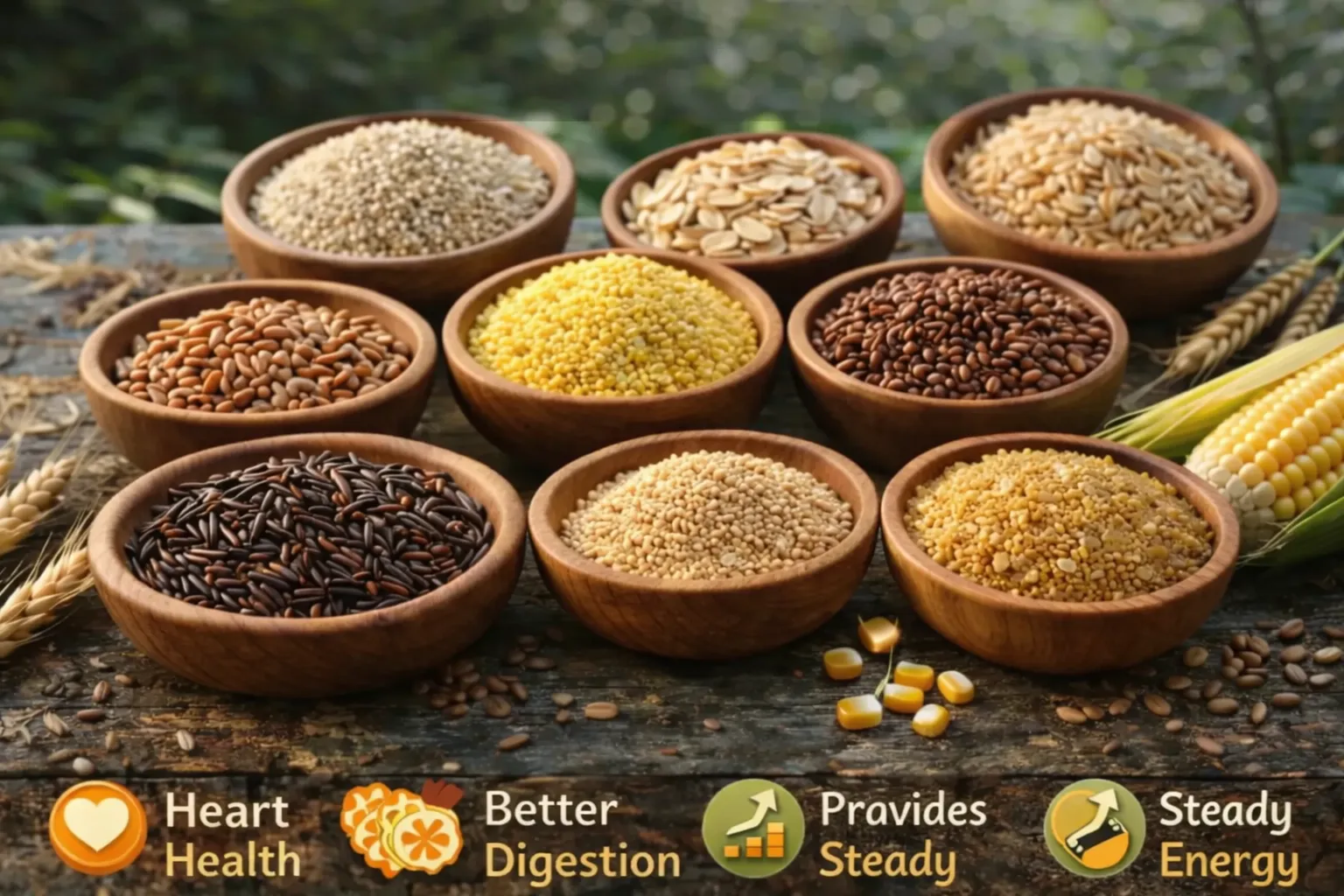
Rice, Quinoa, Millets
Nuts and Seeds
Spices
Whole Wheat Flour
Be sure to store these foods properly to make them last as long as possible.