Processed Food vs Ultra Processed Food: What’s the Real Difference?
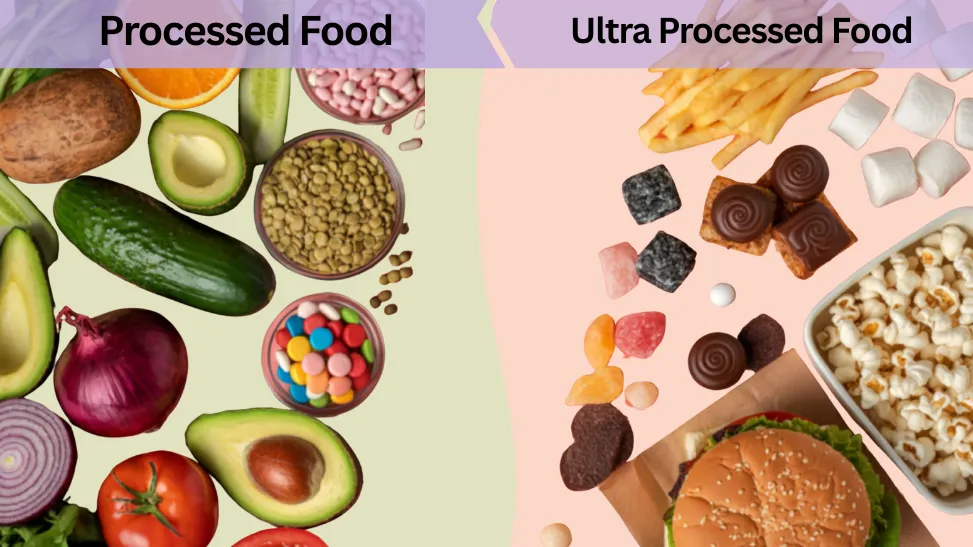
The terms “processed” and “ultra-processed” foods are ubiquitous in present-day eating—but what does this really mean, and why do you care? With supermarket aisles full of a plethora of packaged options, knowing the differences between food categories can help you make better decisions about what you eat. This blog breaks down the differences between processed and ultra-processed foods, their implications for your health, and some practical tips to navigate the food landscape.
What is Food Processing?
Food processing can be defined as the term used to describe various techniques for processing food to be safer, easier to use, or further improve the sybaritic experience. Processing can involve simple actions such as washing and slicing, as well as food processing on a large industrial level that drastically alters and changes the initial food item status.
Processed foods can be anything. The USDA and many health organizations consider any food that is not in its natural state as a processed food. Some examples of processing:
Washing, cutting, or peeling vegetables and fruit
Pasteurizing milk
Freezing vegetables and fruit
Canning vegetables, beans, or fish
Grinding whole grains into flour
These products can often contain added salt, sugar, oils, and/or preservatives for flavor, preservation, or textural purposes, but often consumers can still recognize the product as a basic food.
Ultra-Processed Foods:
sugary drinks, like carbonated soft drinks, sugary coffee drinks, energy drinks, and fruit punch
sweet or savory packaged snacks, like chips and cookies
sweetened breakfast cereals, like Froot Loops, Trix, Cinnamon Toast Crunch, and sweetened oatmeal
baking mixes, like stuffing, cake, brownie, or cookie mixes
reconstituted meat products, like hot dogs and fish sticks
frozen meals, like pizza and TV dinners
powdered and packaged instant soup
candies and other confectionery
packaged loaves of bread and buns
energy and protein bars and shakes
meal replacement shakes and powders that were developed for weight loss
boxed pasta products
ice cream, sweetened yogurt, and cocoa mixes
margarine and some ultra-processed spreads, like sweetened cream cheese
The Real Difference
All the specifics are related in function and extent.
Processed food: Processed food may still be wholesome, and in some cases, the health value may be enhanced (e.g., enriched milk with added vitamin D or freezing vegetables to preserve nutrients).
Ultra-processed food: Ultra-processed foods may be designed to be sweeter, easier to purchase, or provide more profit with less precious thought to health. Ultra-processed foods may have more sugar, salt, and fat and less fiber, protein, and micronutrients.
This is where tools like Eateriq can help. Instead of spending time decoding complex nutrition labels, you can scan a product’s barcode and instantly see a health score (0–100) based on ingredients, nutrients, and additives.
To Your Health
1. Nutrient Density
Processed foods like canned beans or whole grain bread do provide vitamins, minerals, and fiber. However, ultra-processed foods tend to supply you with energy, but they are also typically "empty calories."
2. Satiety
Whole or minimally processed foods usually serve to fill you up due to the fiber and nutrients they provide. Ultra-processed foods are manufactured to make you crave more and overeat.
3. Chronic Disease Risk
Multiple studies have identified the association between high amounts of ultra-processed foods, obesity, type 2 diabetes, cardiovascular disease, and even some cancers. To be safe from this potential harm, consuming processed foods, including healthier versions, in moderation is safer.
4. Additives and Chemicals
Although food additives are regulated, they can be present in large amounts and regularly; especially with ultra-processed foods, they may impact your gut health, inflammation, and metabolism.
Why It Matters for Your Health
1. Nutrient Density
Whereas processed foods, like canned beans or whole-grain bread, have vitamins, minerals, and fiber, ultra-processed foods offer mostly "empty calories" that supply energy without nourishment.
2. Impact on Satiety
Whole or minimally processed foods generally help you feel satiated due to their fiber and packed nutrients. Most ultra-processed foods are created to induce desire for more and leave one with cravings habitually rather than feeling satisfied.
3. Chronic Disease Risk
Many studies have shown a correlation between the increase of ultra-processed food consumption and increases in obesity, type 2 diabetes, cardiovascular disease, and even some cancers. Processed foods at moderate servings, especially when they are less processed foods, have not shown similar increases.
4. Food Additives and Chemicals
Although there are regulations on food additives, on a day-to-day basis, most people will eat far too much without reasons to not feel their worst. Regularly consuming large amounts, as is usually the case with ultra-processed foods, may negatively affect gut health, inflammation, metabolism, etc.
Finding the Sweet Spot
It is not about completely avoiding processed foods—which is basically impossible—it is about reducing ultra-processed foods and picking healthier processed food alternatives. Starting out,
Choose minimally processed options, including frozen fruits and vegetables, unsweetened yogurt, canned fish, and nut butters with no added sugar.
Look at the ingredient lists:
if they are short lists with items you recognize, they are likely not as processed or ultra-processed.
Be careful of added sugars and sodium:
ultra-processed foods can have several varieties of different sugars and even more sodium.
Try and cook at home:
homemade meals, though you may use processed options, tend to have fewer sugar, sodium, and unhealthy fat ingredients than ready-to-eat options.
Consider eating 80/20:
if you are eating whole or minimally processed food 80% of the time, you will be okay with occasional ultra-processed foods.