Plant-Based Diet: How to Get Enough Protein Every Day
Going plant-based has picked up some steam for its perceived health, environmental, or other ethical reasons, but one of the key protein concerns for persons lowering or completely cutting animal products from their diet is that notion of protein. Protein is very essential for forming and repairing tissues, maintaining an adequate muscle mass, aiding resistance, and making enzymes and hormones. The good part? Protein needs can duly be met on a plant-based diet with just a little bit of planning.
How Much Protein Do You Really Need?
According to the official guidelines, the recommended dietary allowance (RDA) for protein is about 0.8 grams per kilogram of body weight in an average adult. This translates to about 55 grams of protein for a 150-lb person weighing 68 kg. However, the demand goes up when you are active, are pregnant, are nursing, or wish to build muscle. Plant-based eaters really do fare better on slightly higher amounts of protein—around 1 to 1.2 grams per kilogram—as plant proteins may sometimes be less concentrated than animal proteins.
Familiarizing Yourself with Sources of Plant-Based Proteins
Not all plant-based proteins contain all nine essential amino acids—unlike some animal proteins. However, if you eat a variety of plant foods throughout the day, your body will get what it needs. Here are some protein-rich options for you to consider:
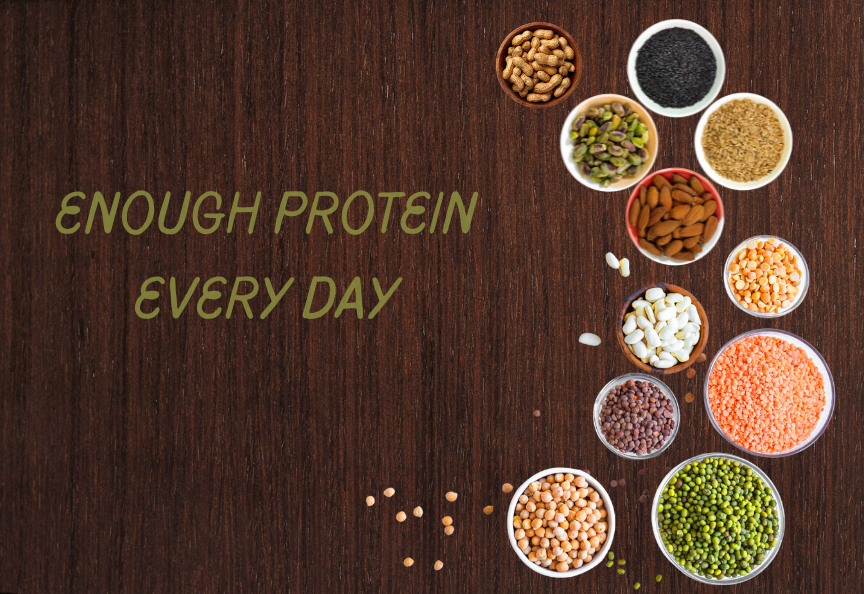
Legumes: Lentils, chickpeas, black beans, and kidney beans provide between 8 and 15 grams of protein per 1-cup serving.
Soy Products: Soy foods such as tofu, tempeh, and edamame are complete proteins and are good sources of iron and calcium.
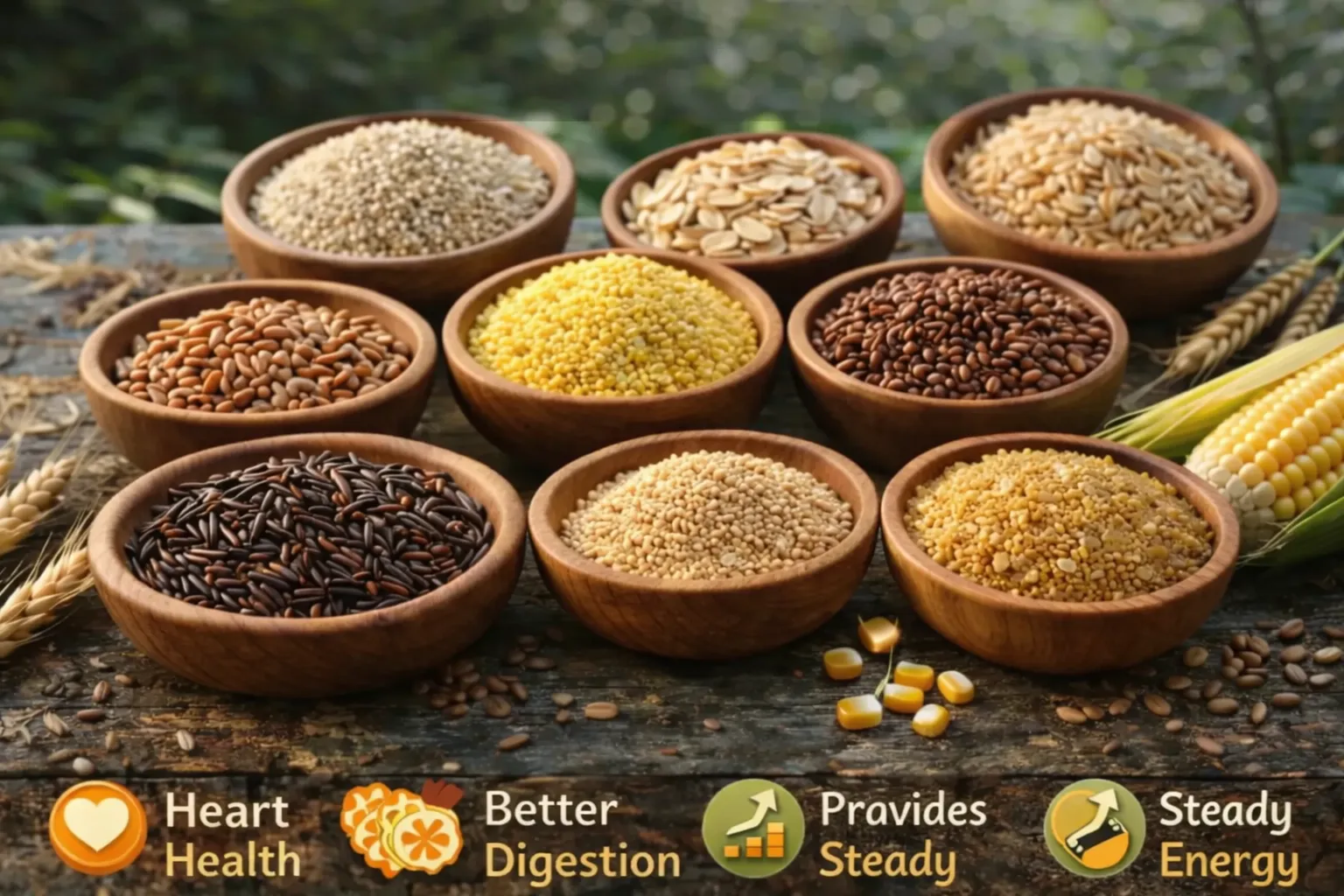
Whole Grains: Quinoa, brown rice, oats, and whole wheat bread provide moderate, steady amounts of protein and fiber.
Nuts and Seeds: Almonds, peanuts, chia seeds, hemp seeds, and pumpkin seeds are all concentrated sources of protein and healthy fats.
Seitan: Seitan (made with wheat gluten) contains up to 25 grams of protein per 3-ounce serving.
Plant-Based Dairy Alternatives: Fortified soy milk and yogurts have about the same amount of protein as cow’s milk.
Guidelines to Help You Get Enough Protein Each Day
1. Make Protein the Focus of Each Meal
Instead of thinking of protein afterward, try and focus each meal on a plant protein. At breakfast, toss some chia seeds into your smoothie or slather whole-grain toast with peanut butter. At lunch, try a lentil soup or a chickpea salad. At dinner, stir-fry some tofu and some vegetables with brown rice.
2. Pair Foods to Make a Complete Protein
Most plant-based protein sources aren't complete, like quinoa or soy; therefore, you can pair foods together. For example:
Rice and beans
Hummus and whole wheat pita
Peanut butter and whole wheat bread
You do not need to eat the pair of food in the same meal; your body is smart enough to balance the amino acids in a day without a concurrent meal!
3. Snack Wisely
Make sure snacks are high in protein so that you don’t dip in energy during the day. Some portable snacks are roasted chickpeas, trail mix with a variety of nuts and seeds, or edamame.
4. Use Protein Powders When Needed
If you are an athlete or person who needs to maximize their protein, you likely will need to utilize a plant-based protein powder (from pea, hemp, or brown rice) as a simple addition to smoothies or oatmeal.
5. Consider Other Nutrients Provided by Protein Alternatives
Protein does not mean all of health; an iron load may be required, along with vitamin B12, omega-3 fatty acids, calcium, and zinc, which require another look when on a plant-based diet.
Example of a Plant-Based, High-Protein Day
This is an example of a day that sums up to more than 70 grams of protein without any animal foods.
Breakfast: Overnight oats with soy milk, chia seeds, and almond butter (20 g)
Snack: Edamame with sea salt (12 g)
Lunch: Lentils and quinoa with local, seasonal vegetables (22 g)
Snack: Apple slices with peanut butter (8 g)
Dinner: Stir-fried tofu, broccoli, mushrooms, and brown rice (18 g)
Debunking the Protein-Deficiency Myth
One of the biggest myths is that persons following a plant-based diet have a higher chance of becoming protein deficient. In truth, research has found it to be exceedingly rare for any of the people--even vegans--to become protein deficient, provided they consume sufficient calories and a wide variety of foods. Protein deficiency is rare and hardly ever encountered, except for a severely restricted diet, where too few calories are consumed, or there is some exclusion of variety.
Final Remarks
A plant-based diet is just as good and satisfying as one with animal foods. You can easily reach your protein goals daily through legumes, soy products, whole grains, nuts, seeds, or high-protein vegetables. Simply think in terms of variety and balance and plan accordingly. Unintentional mindful food choices while pursuing a plant-based diet will surely take you beyond protein goals along with the myriad benefits of dietary fiber, antioxidants, and heart-friendly nutrients.
if you ever find nutrition labels confusing, tools like EATERIQ can make it simpler to track protein and other nutrients, helping you stay consistent with your goals.