Palm Oil: Health Benefits, Potential Side Effects, and Everything You Need to Know
Palm Oil: Health Benefits, Possible Side Effects, and Everything You Need to Know
From toddler snacks to oven-ready meals, bakery products, and even toiletries, the common denominator is palm oil. As the most globally consumed vegetable oil, it is part and parcel of the foods and products we use daily. Unlike the well-publicized challenges palm oil faces in environmental circles, the nuances of palm oil consumption and health risks are not that straightforward. Palm oil has certain advantages to offer and some risks to pose, all of which can be balanced on your dietary considerations.
What is Palm Oil?
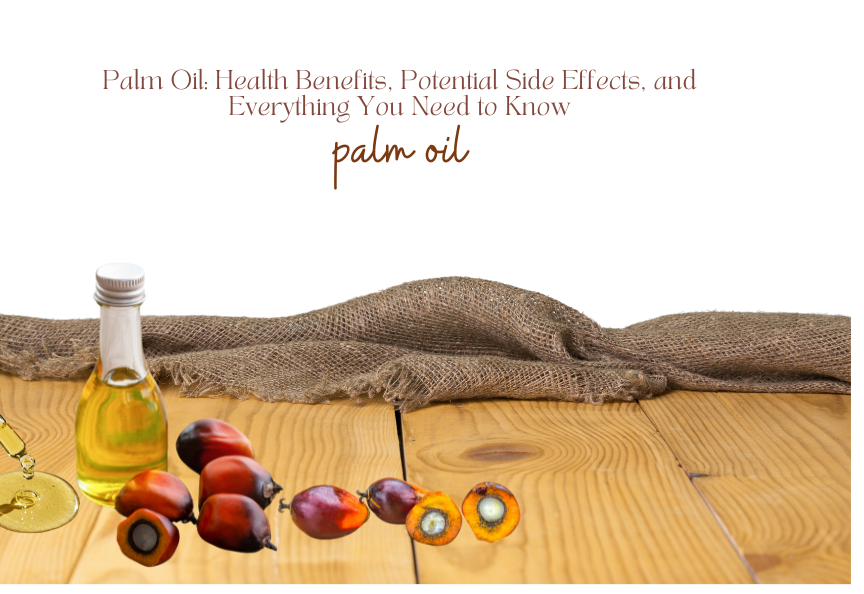
Palm oil is a type of vegetable oil that is edible and comes from the fruit of the oil palm tree, Elaeis guineensis. With origins from West Africa, today palm oil is mostly cultivated in Indonesia and Malaysia—which together produce over 85% of the palm oil in the world. Palm oil is notably good for cooking and frying due to its unique characteristic of being semi-solid at room temperature, which is useful in food manufacturing.
It's important to note that palm oil is not the same as palm kernel oil. Although both oils are derived from the same plant, palm kernel oil is obtained from the seed(s) of the fruit; therefore, the two oils provide very different health benefits.
Benefits of palm oil for health
1. Excellent Source of Antioxidants
Palm oil, especially the red unrefined version, offers a lot of carotenoids (the compounds that contribute to its reddish-orange color) and vitamin E in the form of tocotrienols. Antioxidants can assist with oxidative damage of cells, enhance immune function, and potentially mitigate the risk of chronic disease.
2. Heart Health (with moderation)
Palm oil's saturated vs. unsaturated fat composition is relatively balanced. It even provides oleic acid, a monounsaturated fat found in olive oil. Its correlation with better heart health, along with the fact that palm oil should be used in place of trans fats or excess butter, could make palm oil a decent option.
3. You consume fat to absorb fat-soluble vitamins.
Many vitamins, like A, D, E, and K, are fat-soluble vitamins and require dietary fat to absorb efficiently. Palm oil may increase the ability to absorb essential nutrients when fat deficiency is common.
4. Neuroprotection
The tocotrienols found in palm oil are being studied for their neuroprotection. The literature supports their ability in the possible protection of brain cells from injury and the risk reduction of neurological degenerative disorders like Alzheimer's dementia, receiving more support with clinical evidence.
Possible Side Effects and Health Risks
Palm oil has many benefits, but there are some health considerations as well:
1- High in Saturated Fat
Palm oil is about 50% saturated fat, more than olive oil but less than butter. If you consume excess saturated fat, it may increase LDL ("bad") cholesterol levels. Increased levels of LDL cholesterol in your body may increase your risk of heart disease. Moderation is the key.
2- Processed Forms Can Be Unhealthy
The palm oil in so many packaged foods is often refined, bleached, and deodorized, removing nutrients and creating unhealthy compounds. Refined palm oil in processed snacks is not the same as the red palm oil in its pure form.
3- Digestive Issues
For some people, consuming large quantities of palm oil could cause digestive discomfort, such as stomach cramps and loose stools.
4- Possible Impact on Weight Gain
Palm oil is calorie-dense; overusing palm oil may be an issue, as daily excess calories may lead to weight gain, especially if combined with highly processed foods.
The Environment and Ethics
This article might be primarily about health; however, the issues facing the palm oil industry cannot be ignored. To start, the expansion of palm plantations is linked to deforestation. Additionally, it leads to the destruction of habitats of already-endangered species, such as orangutans, not to mention the increase of greenhouse gases. Therefore, consumers who consider themselves sustainability-conscious can opt for products made from RSPO (Roundtable on Sustainable Palm Oil)-certified materials. Tools lik Eateriq can also help you check ingredient labels quickly and see if palm oil (or its derivatives) are hidden in your packaged foods.
Tips for a Healthier Use of Palm Oil
Opt for red palm oil, as it is less refined and hence more beneficial. It contains greater antioxidants and nutrients than other refined versions of palm oil.
If your diet already contains high amounts of saturated fat, then you should particularly moderate your use of palm oil.
In order to get different types of fatty acids and maintain variety in your diet, you should balance palm oil with other oils like olive oil, avocado oil, canola oil, or other vegetable oils.
Since palm oil will not always be indicated explicitly on food labels, it is important to check them. “Vegetable oil,” “fractionated palm oil,” “palm kernel oil,” and “palm oil” are some of the terms that are often used as substitutes for palm oil.