Is Eating Organic Better for your Health?
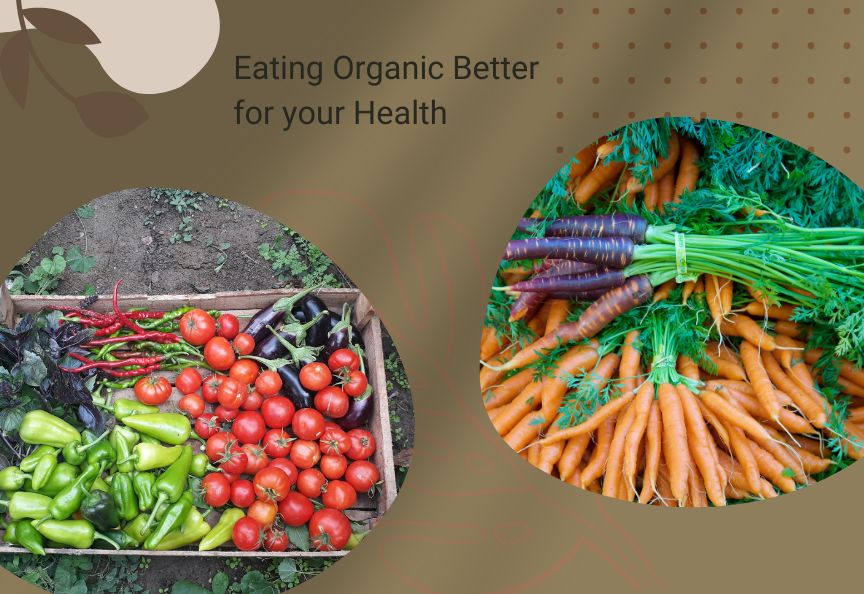
Is Eating Organic Better for your Health?
Recently, the organic food aisle has exploded, reaching shelf space in grocery stores, farmers' markets, and online groceries. More and more people have demanded organic fruits and vegetables, dairy items, and packaged products, all in the name of "healthier" eating. But the real question you want to know is: is eating organic really better for you, or is it just a clever marketing term and gimmick?
The answer is somewhere in the middle. Let's look into what "organic" means, potential positives, potential downsides, and whether eating organic makes sense for you.
What Does "Organic" Mean?
"Organic" describes how a food is produced and processed. Organic agriculture (or farming) prohibits or severely restricts the use of:
Synthetic pesticides and fertilizers
Genetically modified organisms (GMOs)
Growth hormones and antibiotics in livestock
Artificial preservatives, artificial flavor enhancers, and food coloring
In place of restricted ingredients and techniques, organic agriculture should rely on natural fertilizers, crop rotation, and environmentally sound practices. Any animals produced under organic terms are not held indoors—they must have continual access to the outside and must be fed organic feed.
This means when you see the term "organic," you can be assured that food has been produced using a set of strict guidelines and standards—in the interest of human health and the environment.
1. Reduced Pesticide Exposure
The elimination of synthetic pesticides is about the best argument for organic food. Though conventional foods must meet government safety standards, organic fruits, vegetables, and grains have on average a third as many pesticide residues as non-organic foods. For children, for pregnant women, and for people who are sensitive, reduced pesticide exposure can be a huge health benefit.
2. Possibly Higher Nutrition
No studies suggest that organic fruits, veggies, or grains do contain slightly higher amounts of a few healthful nutrients as represented by:
More antioxidants that help reduce inflammation and chronic disease risk
More omega-3 fatty acids in organic meat and milk as a result of a diet high in grass
More vitamin C and selected minerals when compared to non-organic crops
Although these differences do not seem significant, over time, these benefits can accumulate.
3. There are fewer additives and preservatives.
Organic processed foods often do not contain artificial preservatives, colorings, or flavorings. This can be an extra incentive for those with food sensitivities, food allergies, or those who wish to limit the number of artificial chemicals consumed by them.
4. The possibility of improved community gut health
There is new and emerging research that suggests organic farming methods generate more nutrient-dense soils and food with greater microbial diversity. This diverse microbial environment may ultimately contribute to a healthier gut microbiome (supposedly important for digestion and immune health).
Cons of Organic Foods
1. Price Point
Organic food can be anywhere from 20% to 100% more than conventional food. The price difference accounts for stricter yield and farming practices and certification costs. And, for most families, an all-organic diet isn't realistic financially.
2. Availability
Depending on where you live, acquiring organically grown items may also be difficult or limited time-wise, as in many places only a limited amount of in-season organic produce is available. This makes it harder to be consistent.
3. Nutritional Differences Are Minimal
Although organic foods may occasionally have higher levels of nutrients, the differences are not significant. Eating a wider variety of fruits and vegetables and not just organic fruits and vegetables is much more important.
4. Shorter Shelf Life
Organic foods also usually do not have preservatives, and they can spoil faster. That means that you'll have to shop more often and plan meals more frequently.
Is Organic Food Safer?
Organic foods generally have fewer pesticide residues, but that doesn’t mean they’re “safer.” The bacteria proliferate, even in unpasteurized organic fruit and vegetables. Wash them or cook them well, or else… Or we can go a different route. Most food safety rules that we learn—such as washing your hands and rinsing your produce and proper storage—apply to both organic and conventionally grown foods.
The Environmental Angle
And while the health benefits of organic farming may be marginal, many people feel it’s worth it as a way to save the planet. Organic
The Environmental Perspective
And even if health benefits are slim, many people buy organic for environmental reasons. Organic farming practices often support:
Improved soil condition and erosion control
Less chemical runoff means cleaner water.
Increased biodiversity by protecting pollinators and wildlife
Reduced greenhouse gas emissions as compared to industrial farming
For those that want to support sustainable coffee, organic checks that box as well.
Intelligent ideas for eating organic without breaking the bank
If you're concerned about money, but you want to eat organic, here are some practical tips:
Sticking to the "Dirty Dozen": The Dirty Dozen is a list of 12 fruits and vegetables that use the most pesticides (such as strawberries, spinach, and apples). Supporting organic farmers of the Dirty Dozen is likely to have the most impact.
Conventional for the "Clean Fifteen": Avocado, onions, pineapple, and other produce have low residues of pesticides even if they are not organic.
Buy local and in season: Sometimes farmers markets have organic or "pesticide-free" produce that will be less costly.
Whole foods over snacks: Organic snacks and processed foods are still probably healthier than conventional, but you're likely to get more bang for your buck from whole organic fruits and vegetables.
Tools like Eateriq can also help you make smarter food choices by scanning products and showing whether they’re organic, highly processed, or contain additives—making it easier to balance health with budget.
In Conclusion
So, is organic food better for our health? Yes, but with caveats. Organic food may reduce poison levels, eliminate additives, occasionally have slightly higher nutrients, and usually does have a lower environmental burden. But organic food is not a license to eat as much as you want. Whole, unprocessed fruits, vegetables, and whole foods are still healthier than ultra-processed food even if they are conventionally grown rather than organic.