How to Create a Healthy Plate: A Step-by-Step Guide for Balanced Nutrition
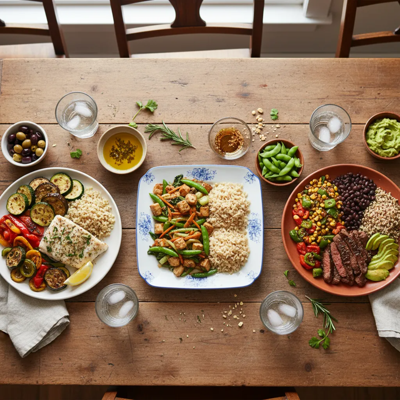
What does it take to create a healthy plate?
There are numerous benefits of eating a healthy and balanced plate. Eating a healthy plate will not only keep you at a healthy weight but may also lower your risk for heart disease, heart attack, type 2 diabetes, stroke, and particular cancers. Eating well will also help your mood and well-being.
How to make a healthy plate
Here is a way to make a healthy plate:
Start with the non-starchy vegetables. Put non-starchy vegetables like leafy greens, broccoli, cucumber, peppers, carrots, and even celery on half your plate. Non-starchy vegetables are so low in calories and so high in nutrients, they are the best way to get started on your plate.
Add a serving of lean protein. The next quarter of the plate needs to include lean protein. Chicken, fish, beans, or tofu are examples of lean protein. Lean protein sustains fullness and satisfaction while giving your body essential amino acids.
Step 1: Fill Half of Your Plate with Fruits and Vegetables
Filling half of your plate with fruits and vegetables has many benefits. Fruits and vegetables include vitamins; simply one serving will help with your fiber intake for the day, and they are delicious and low in calories. There is no better way to assist your body with your immune system and digestion while keeping your body functioning well than to eat a wide variety of fruits and vegetables and assist in preventing chronic diseases, such as type 2 diabetes and heart disease.
Some tips:
Mix it up by using raw and cooked vegetables.
Use mixed-colored products—green leafy vegetables, red peppers, orange carrots, and purple cabbage—to promote a variety of vitamins and nutrients.
To kick things off, use fresh, frozen, or lightly steamed vegetable sources.
Fruit can either be fresh and sliced or cut up and placed in a small side bowl; just add some natural sweetness!
Visualize your plate as a rainbow. The more colors you add to your plate, the healthier you are!
Step 2: Allocate 25% of Your Plate to Whole Grains
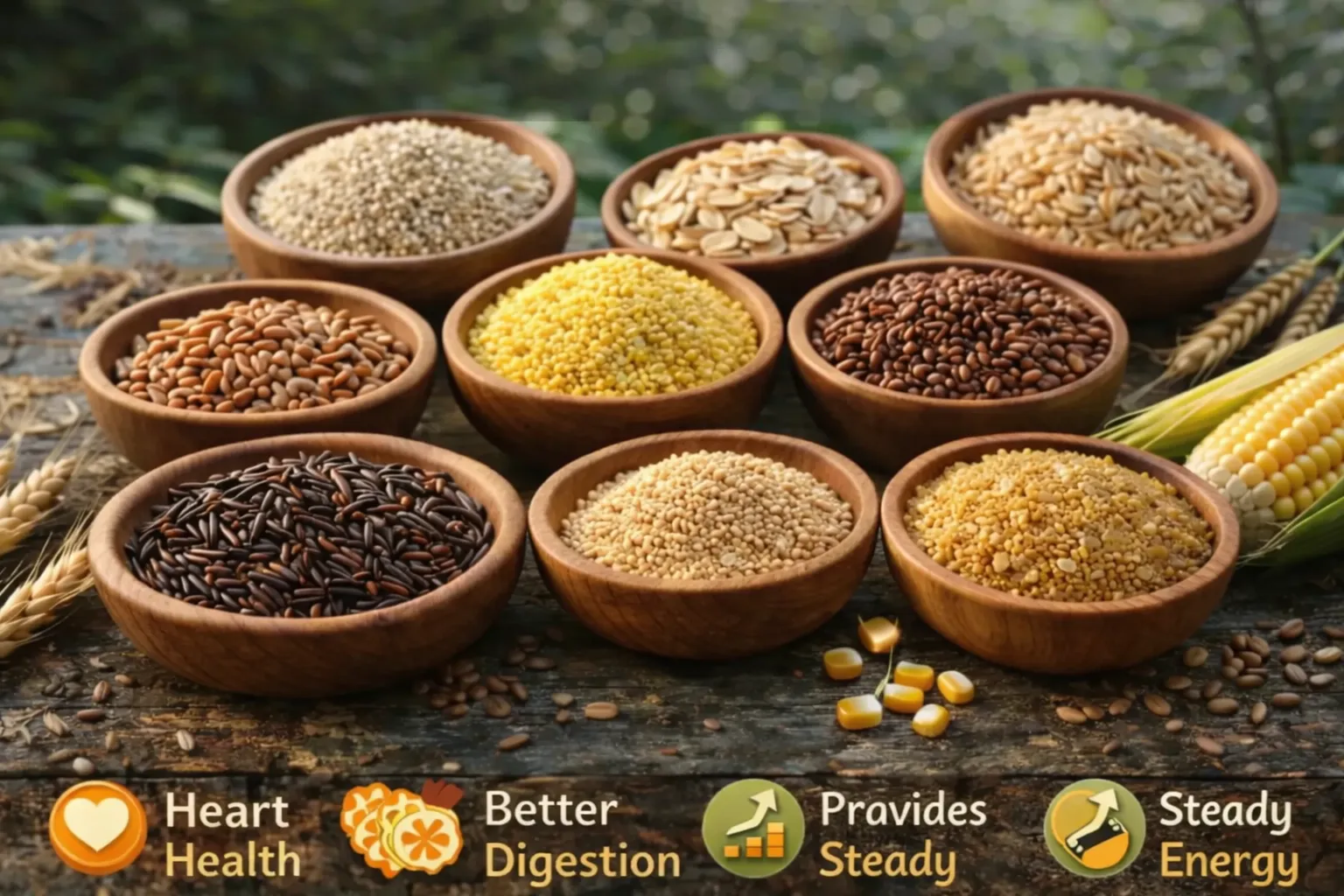
Grains are especially criticized in diet culture. However, as far as nutrition is concerned, grains are incredibly important as a food group. Unlike refined grains, which are broken down and stripped of the ‘bran’ and ‘germ,’ whole grains retain the bran and germ, thereby offering fiber, B vitamins, iron, and slow-releasing energy.
Below are some worth-trying whole grain options:
- Brown rice
- Quinoa
- Whole grain bread or pasta
- Oats
- Barley
Besides helping balance blood sugar and aiding digestion, whole grains support a feeling of satiety. You can still eat some refined grains (like white rice and regular pasta) on other days. Your taste buds will slowly get used to swapping these out for whole grains, and it's worth the effort.
Step 3: Plate lean protein to finish the quarter.
Ideally, lean protein should be approximately 25% of your meal as a healthy eating objective. This is because it is important in hormones, muscle repair, and satiety. This provides balance and is nutritionally satisfying, and it is a good "frame" for your plate.
Proteins that are healthy:
• White-meat poultry, turkey, or chicken.
• Fish and seafood (tuna, salmon, and shrimp) • Legumes or pulses (black beans, chickpeas, and lentils) • Tofu or tempeh • Eggs • Occasional amounts of red meat.
Plant proteins, i.e., beans, lemons, tofu, or quinoa, are great anchors for vegetarian or vegan (plant-based) meals. Just remember, for a balanced meal you pair them with other foods.
Step 4: And remember to include some healthy fat.
The brain, certain hormones, and nutrient absorption need what we will call good fats. Good fats (even in small amounts) can be described as unsaturated fats.
Here’s a list of healthy fats, which you can add to your meals:
• Avocados
• Salad dressings with avocado or olive oil
• A small handful of nuts and seeds
• Fatty fish such as sardines and salmon
• Spreadable peanut and almond butters
In addition to aiding the absorption of fat-soluble vitamins A, D, E, and K, these fats improve the flavor of your meals.
Step 5: Make Sure to Stay Hydrated
Although it does not get a place on your plate, hydration is an integral element of nutrition. Water is the most important beverage you need to consume throughout the day. You may include unsweetened tea, sparkling water, and diluted fruit-infused water for a change. Fizzy drinks and alcoholic beverages are not only calorie-laden but also adversely affect blood sugar control; therefore, their intake should be minimal.
Step 6: Be Mindful of Portions
Portion control is equally important for healthy foods as well. A good rule of thumb that might help you is to use your hands:
Your fist = about 1 cup of veggies or grains
Your palm = one portion of protein
Your thumb = one serving of healthy fat (such as oils or nut butter)
This allows you to construct a balanced plate without having to weigh food or measure ingredients every time you eat.
Step 7: Add a Variety of Foods and Enjoy Eating
Balance isn't only about nutrients; balance involves enjoyment as well. Try foods from a variety of cultures and change what you consume regularly, but don't forget the spices or herbs. Having a variety of foods is stimulating, and it is important to take in an additional variety of nutrients to reach a broad spectrum of nutrients and a balanced diet.
Making Healthy Eating Easier
Creating a balanced plate every day might feel overwhelming at first, but tools like Eateriq can simplify the process by helping you understand nutrition labels and make smarter food choices while shopping.