How to Construct a Nourishing Meal Without Counting Any Calories
If you have ever tried a typical diet, you probably have experienced counting calories, logging every single bite of food, or weighing all your food, which will lead to mental exhaustion. If you are currently weighing the future of health and fitness, you are also sacrificing the joy of eating and most likely your long-term healthy habits. What's the good news? You can build nourishing, yet fulfilling meals without any math at all.
A balanced meal is less about the number of calories and more about the different components, variety, and listening to your body's hunger cues! When you eat foods that are naturally supportive of stable energy, healthy digestion, and fullness, your body will regulate itself, and you can easily adopt the habit of eating again. Platforms like EaterIQ.com also encourage this approach, helping people make smart, intuitive food choices without the pressure of counting calories.
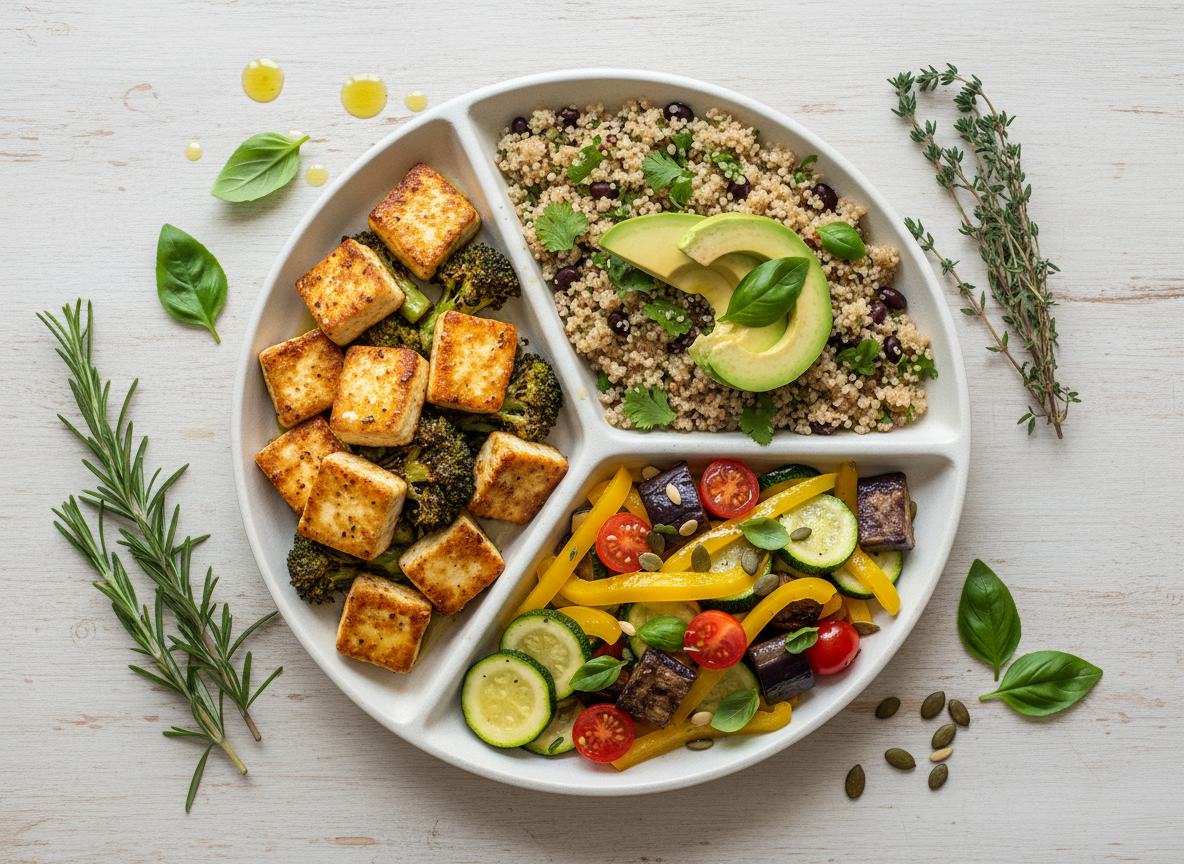
1. Implement the “3-Part Plate Method”
A well-balanced meal comprises three elements:
1. Protein
Protein keeps you satiated, nourishes muscles, and stabilizes blood sugar levels.
Some examples are:
Eggs
Chicken or fish
Paneer or tofu
Lentils, beans and chickpeas.
Greek yogurt
Try to have a serving size that is the size of your palm at every meal—no measuring is needed.
2. High-Fiber Carbohydrates
Fiber alters the process of digestion, allowing it to be smoother and more bearable, and hence there is no energy loss, which is not the case with a quick spike and then a crash.
Examples are:
Whole grains: brown rice, oats, quinoa, millet
Fruits
Starchy vegetables: potatoes, sweet potatoes, corn
Legumes
In terms of visuals, allow ¼ to ⅓ of your plate to consist of whole-food carbs.
3. Healthy Fats
Fats in meals are not only a means of promoting satiety but also brain and hormone health supporters.
Avocado
Nuts & seeds
Olive oil, coconut oil
Nut butters
Ghee
Just 1–2 small spoons are enough. Good fats give flavor and help you stay full longer.
On your plate, you will see protein + fiber + healthy fats, satisfying and energizing your body without any need for tracking.
2. Add Color—More Color = More Nutrition
A colorful plate is equal to a plate rich in nutrients. The various colors of fruits and vegetables indicate different pigments and thus different vitamins and antioxidants.
To make it easy to include:
✔ Add 1–2 different colors of vegetables or fruits to every meal.
This will not only increase your fiber intake but also make your meals more attractive and keep you satiated for a longer time.
3. Focus On Satisfaction Instead Of Calories
If your meal is unsatisfying, then you'll be looking for snacks.
After you put together your plate, ask yourself:
"Is this meal satisfying?"
An adequate meal should feel:
✔ Satisfying
✔ Tasty
✔ Energizing
✔ Comforting
You will not be satisfied with a bowl of vegetables. You will get a quick spike and crash after eating a plate of pasta. Getting a salad with chicken and olive oil and grains = satisfied and balanced.
3. Use the "Hunger Scale" Instead of Quantitatives
You can use a gentle hunger check to stop before you get too hungry or too full:
0 - starving
5 - comfortably satisfied
10 - overfull
You are looking to start eating around 3 and stop around 6-7.
No calories, only body awareness.
4. Examples of Swift Balanced Meals
Those meals are examples of attractive and uncomplicated ways to combine foods:
Breakfast
Oatmeal + banana + nut butter
Eggs + whole grain toast + strawberries
Yogurt + nuts + blueberries
Lunch
Brown rice + dal + sabzi + salad Grilled chicken + quinoa + veggies
Paneer + whole wheat roti + cucumber
Dinner
Veg soup + tofu + whole grain bread
Stir-fried veggies + salmon + rice
Millet upma and yogurt
No tracking here—just plates that are balanced, full, and colorful.
In summary
Do not have anxiety about your food or analyze whether it is healthy or not. If you are eating nutritious foods (labeled above) that carry protein, fiber-filled carbohydrates, healthy fats, and colorful fruits and vegetables, your body is wise enough to find balance with your food intake. Food can be soothing, instinctual, and fun!
Your goal is consistency, not perfection. Fill your plate with various whole foods and allow your body to take care of the rest. Expand by typing your response.