Health Scores for Kids: Teaching Healthy Eating Through Simple Numbers
Teaching Kids Healthy Eating Habits Using Simple Numbers
It can be overwhelming to try to help kids develop healthy eating habits in a world full of candy bars, fast food restaurants, and brightly colored sugary foods. What if there were a way to teach kids how to eat well without worrying about following complicated meal plans, tracking calories, or deciphering food labels? What if kids could develop healthy eating habits using only one tool—health scores?
Health scores allow kids to see at a glance what foods are good for them and what foods should be eaten occasionally. EaterIQ.com has a scoring system that breaks down the food supply into three basic categories—healthy (fuel), bad (occasionally), and no nutrition.
Why Do Children Need a Simplified Approach to Nutrition?
Unfortunately, children today have access to far more easily accessible bad food options than ever before. In addition, processed food is often marketed with bright colors, cartoon characters, and appealing flavorings. Therefore, the marketing of wholefood products such as fruits, vegetables, beans, whole grains, etc., is not as popular as the marketing of processed food products.
Kids can get a lot from a nutrition program that:
Is Very Simple
Is Very Colorful and Includes a Lot of Pictures
Gives the Opportunity for Learning by Doing
Is Based on a Friendly and Non-Restrictive Way
Is Not Difficult to Apply to Everyday Life
Health Scores Can Be a Good Help for Kids to Know Nutrition
A health score is composed of a set of numbers (usually from 1 to 100) that correspond to the nutritional quality of a certain food item. For instance, health scores of unprocessed foods (like whole grains, vegetables, and fruits) usually are higher in comparison to sugary and heavily processed foods.
Children do not have to know the nutrients, such as vitamins and proteins, and the different fibers to get that a food with a higher health score is generally the healthier option.
Here's an example of this easy-to-understand method of categorizing foods:
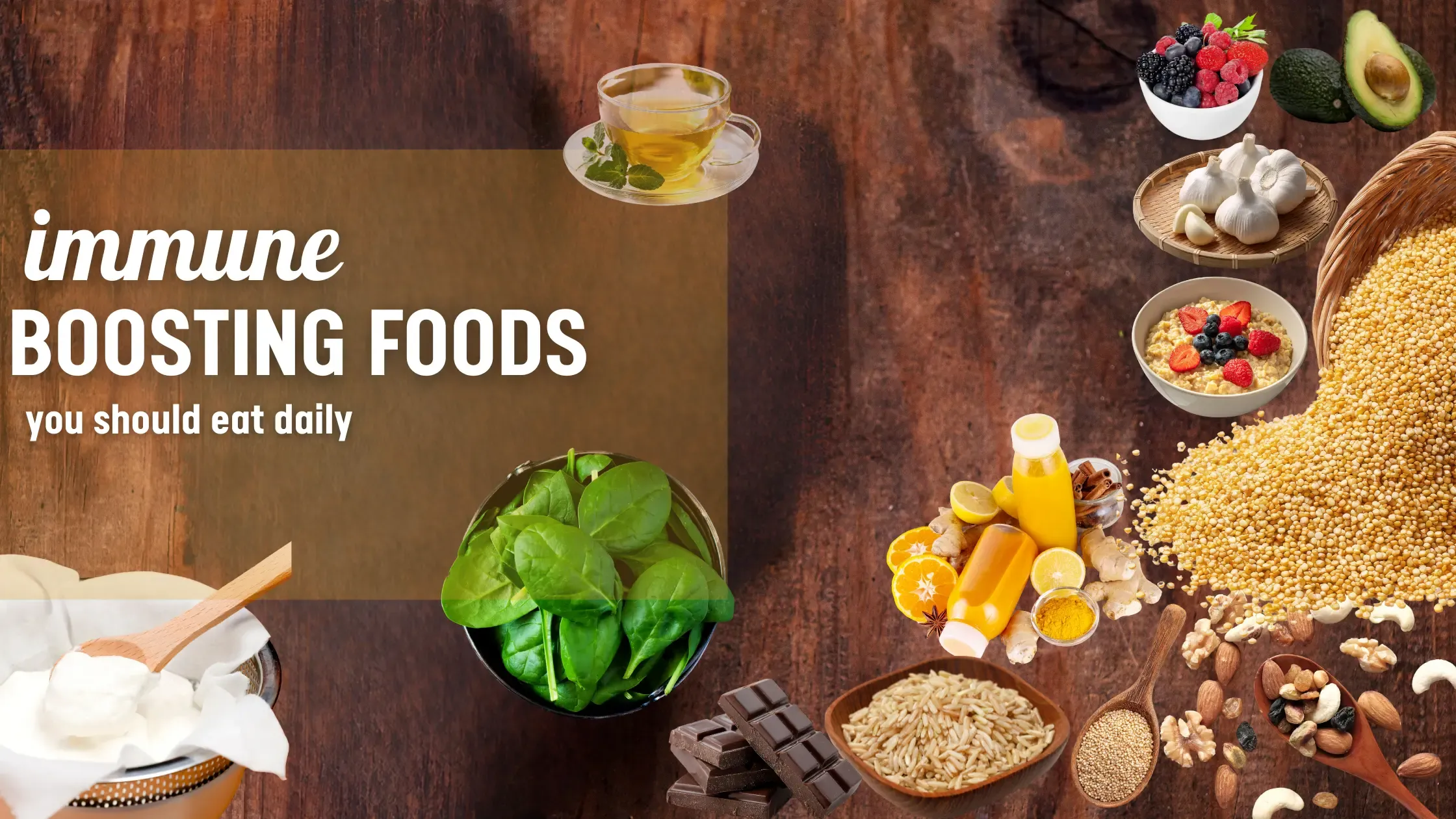
High-Scoring Foods: apples, bananas, carrots, oats
Low-Scoring Foods: candy, chips, sugary cereals
As children experience this method of categorizing foods, they will learn to use the high-score foods for increased play energy.
"I will eat high-scoring foods so that I can have more energy to play."
"I like low-scoring foods sometimes, just not all of the time."
"I can create a balanced meal by combining a combination of lower-scoring and higher-scoring foods."
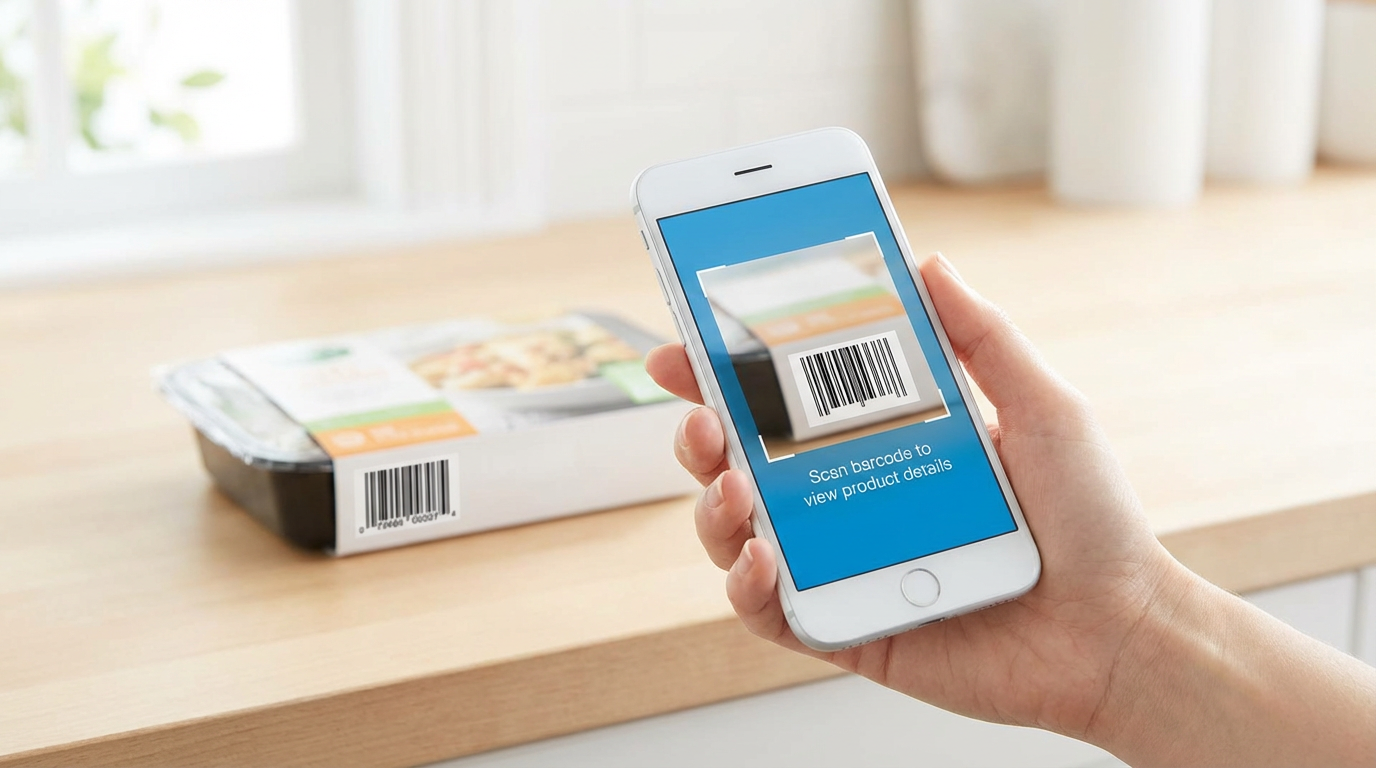
EaterIQ.com gives parents another way to quickly evaluate the health of foods when packing lunches or grocery shopping with their children; this will make selecting the healthiest options easier.
Gaming Food Selections with Health Scores
When children are involved in something that they enjoy, they will learn faster than when they are working in an environment that is boring to them. Therefore, the scoring system for the education of food has the potential to make it more entertaining. Below are a few examples of how parents can use scoring systems in their homes:
1. Scoring Food When Shopping for Groceries
While shopping for groceries, parents could ask their children the following questions:
"What three foods can you find that have a score of 80 or higher?"
"Can you help me choose a higher-score food instead of the lower-score one?"
By using this method of incorporating health scores into grocery store shopping, children will learn how to better understand food labels.
2. Create your own Plate Challenge.
Challenge children to create their own plate for meals based on:
One high-scoring fruit
One high-scoring vegetable
One high-scoring protein,
One optional low-scoring treat.
This activity teaches children how to eat in balance with all foods available. In addition, it shows them that they do not have to limit certain foods.
3. Lunchbox Score Contest
Children can create their own lunchbox and figure out their total score.
A higher total score indicates more energy and increased ability to concentrate and focus on school.
A lower score indicates that you can eat it sometimes.
Many children enjoy having games that score; therefore, this helps children view creating lunchboxes as a form of play instead of feeling pressure.
Teaching Children the "Why" of Food Scores
Children do not need to understand the complexities of nutrition, but they do benefit from a better knowledge of healthy and unhealthy food choices.
Examples Include:
Foods that scored high help a child run faster, jump higher, and stay in the game longer.
Foods that contain protein help build muscle strength.
Fruits and vegetables protect children from becoming sick.
Too many low-scoring foods can cause a child to be tired, cranky, or irritable.
The idea is not to label a food as good or bad, but rather to help children understand how different types of foods fit into their daily diets.
The higher-scoring foods should be viewed as typical choices for children to make every day; the lower-scoring foods should be thought of as occasional treats.
1. Start Light and Positive
Don’t overwhelm your child with every score at once. Start with simple swaps:
Higher-score breakfast cereal
A fruit instead of a sugary snack
A homemade meal instead of packaged lunch
2. Allowing Children to Decide for Themselves
Rather than saying to your child, "You shouldn't eat this," you could say:
"Let's check out the score of the food together."
"Why not select a high-scored (high in nutrients) snack of your choice to take to school?"
"How can we improve the score of this meal?"
This gives children the confidence to make their own choices and develop their independence.
3. Recognize All Small Victories
Recognize your child's healthy selections: "Wow, you really made a nutritious choice with a high score award!"
"Way to go and make such a colorful choice!"
In turn this positive reinforcement will help to build consistency.