Food Labels Decoded: How to Actually Understand What You’re Buying
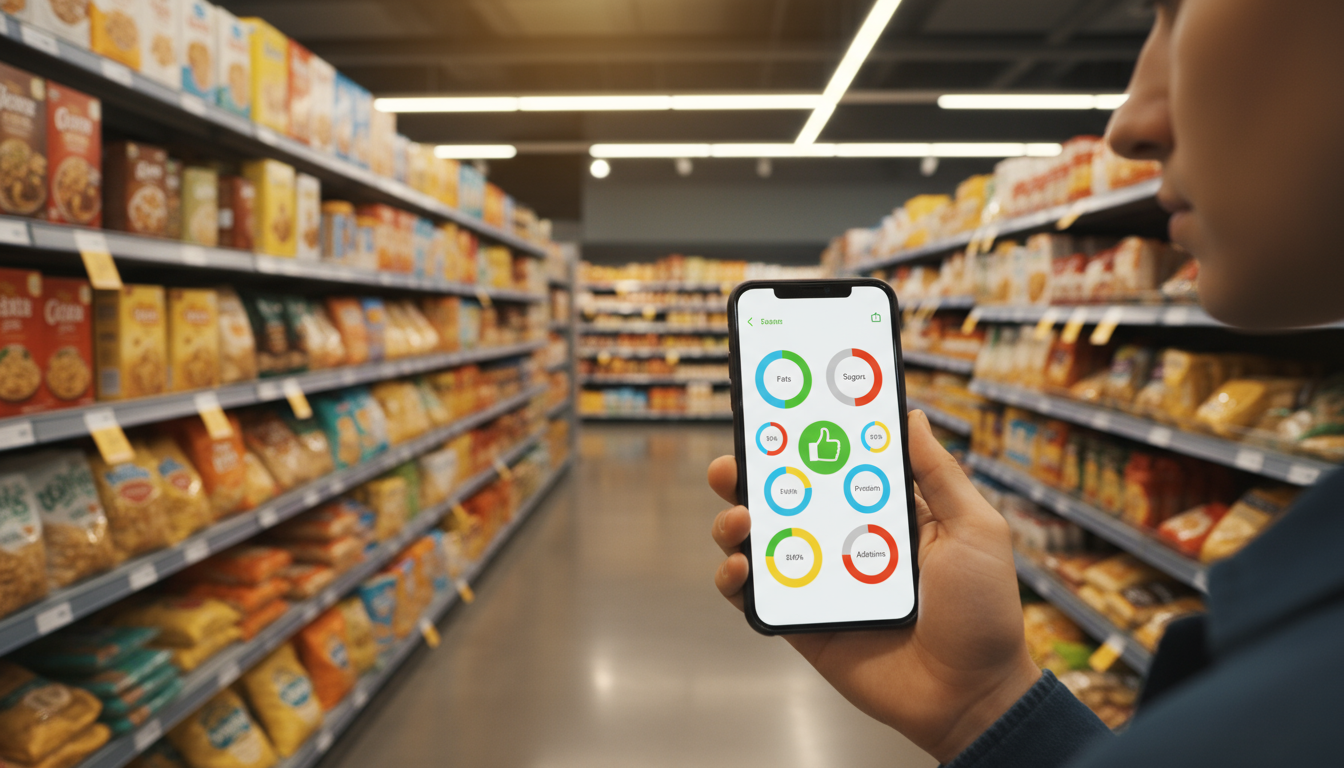
Understand what food labels really mean so you can choose better
Nowadays, if you enter any supermarket, you will see that the shelves are full of products with loud statements like "high protein," "sugar-free," "sugar-free diet," "natural," "enriched," "organic," and "heart-healthy" on them. The emphasis of most of these labels is on marketing rather than on providing any significant information about nutrition. Those trying to eat healthily can find it confusing, stressful, and even a little unfair at times.
But once you learn to read food labels, you’ll see them as useful sites that help you make better choices without guesswork. Platforms like eateriq.com also encourage mindful and informed eating by helping people understand what’s really inside their food.
Let us simplify and expedite so that next time you go grocery shopping, you will know right away what is really healthy and what is just pretending to be healthy.
1. Do Not Be Fooled by the Front of the Package
The front of the package is basically designed to be a billboard: it’s supposed to sell, not inform. Words like “natural,” “immune-boosting,” or “superfood” are often unregulated and do not indicate that the food is nutritious. Even words like “organic” or “multi-grain” are not synonymous with healthy.
For instance:
"Multi-grain" could just mean that the product has multiple grains, but they may be refined grains and may not even have fiber or other nutrients.
"No added sugar" does not mean that it is low in sugar. It may still have sugar because of the natural sugars in fruit purees or concentrates.
"Low-fat" just means they probably added sugar, salt, or artificial flavoring to enhance flavor.
So turn the package around. The real story is in the back.
2. Examine the Ingredients List
The ingredients list is like a window to the honesty of the product. This is how to read it:
Ingredients will be listed in order of their quantity. The first three ingredients will tell you the true nature of the food.
If the first three ingredients are sugar, refined flour (like just “wheat flour” with no “whole”), hydrogenated oils, or corn syrup, the product will likely be ultra-processed.
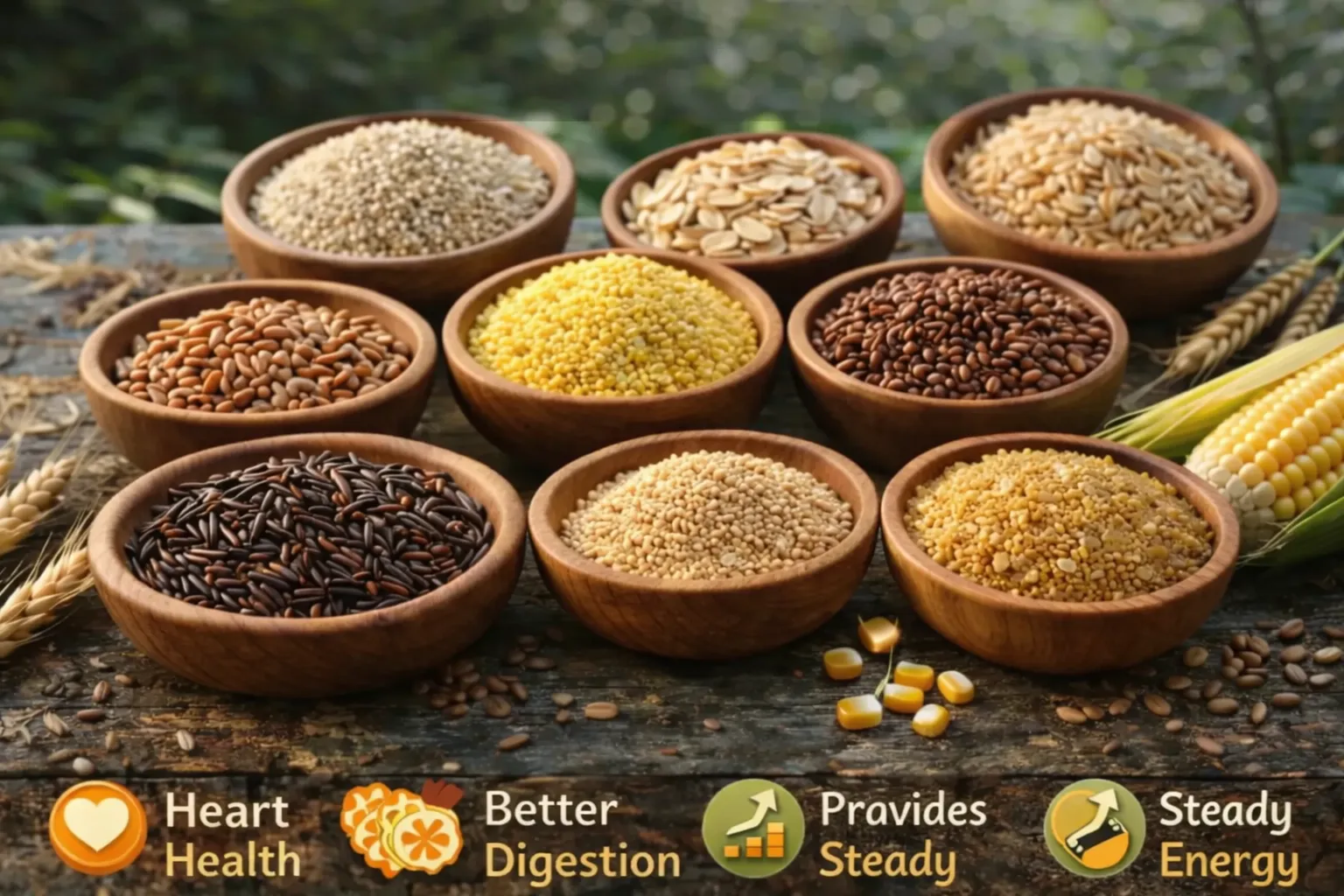
Make sure you look for whole foods: whole grains, nuts, seeds, fruits, and vegetables.
A simple rule of thumb to follow:
If it has a long list of ingredients or if it has ingredients that you wouldn’t typically find in your kitchen, it is probably overly processed.
Also be aware of hidden sugars. Sugar can go by many different names—some examples include:
Malt syrup
Dextrose
Fructose
Cane juice
Rice syrup
Maltodextrin
If you see three or more types of sugar in the ingredient list, the product is probably sweeter than it seems.
3. Smartly review the nutrition facts.
Now move on to the nutrition facts table. Here are the main sections to scan:
Serving Size
Manufacturers will use very small serving sizes to make the numbers look better. Always check to see how realistic the serving size is. For example, if the serving size for a snack pack is “½ pack,” we all know—let’s be realistic—you are probably going to eat the whole thing. Adjust it!
4. Get Familiar with Common Label Claims
Below are some common claims and their meanings:
Whole Grain: This should be the first ingredient; if not, it’s only a marketing trick.
Organic: No chemical pesticides were used, but it could still be high in sugar or salt.
Gluten-Free: Beneficial for those who need it, but not necessarily healthier.
Sugar-Free: The product could be replacing sugar with artificial sweeteners and thus not be as palatable or gut-friendly as the real thing.
Fortified/Enriched: The nutrients that were lost due to processing were replaced.
5. Choose Products with Short and Recognizable Ingredients
If it is easy to read the ingredient list and you can visualize those ingredients in your kitchen, then likely you are looking at cleaner food. Common ingredients are:
Oats
Nuts
Seeds
Fruits
Spices
Olive oil
Simple is better.
Final Takeaway
Measuring perfection isn’t the purpose of reading food labels—it is about being aware of what you are consuming. The primary objective is not to eliminate all processed foods or to make grocery shopping a subject but rather to accept the fact that there are cases where products labeled “healthy” are not.