Best Practices for Allergen-Safe Grocery Shopping
Guidelines for Allergen - Safe Grocery Shopping
For millions of people worldwide, grocery shopping is not simply about grabbing everyday items in a cart—rather, it is about ensuring each food item is safe for their health. Common allergenic foods, such as peanuts, tree nuts, dairy, eggs, soy, wheat, fish, and shellfish, can cause severe and even potentially life-threatening reactions, making allergen-safe grocery shopping an essential skill for individuals and families managing food allergies.
You can also use digital tools like Eateriq , which helps you quickly scan ingredients and identify potential allergens, saving time and reducing uncertainty in the aisles. Combining such technology with careful planning ensures a safer and more confident shopping experience.
1. Always Read Labels Closely
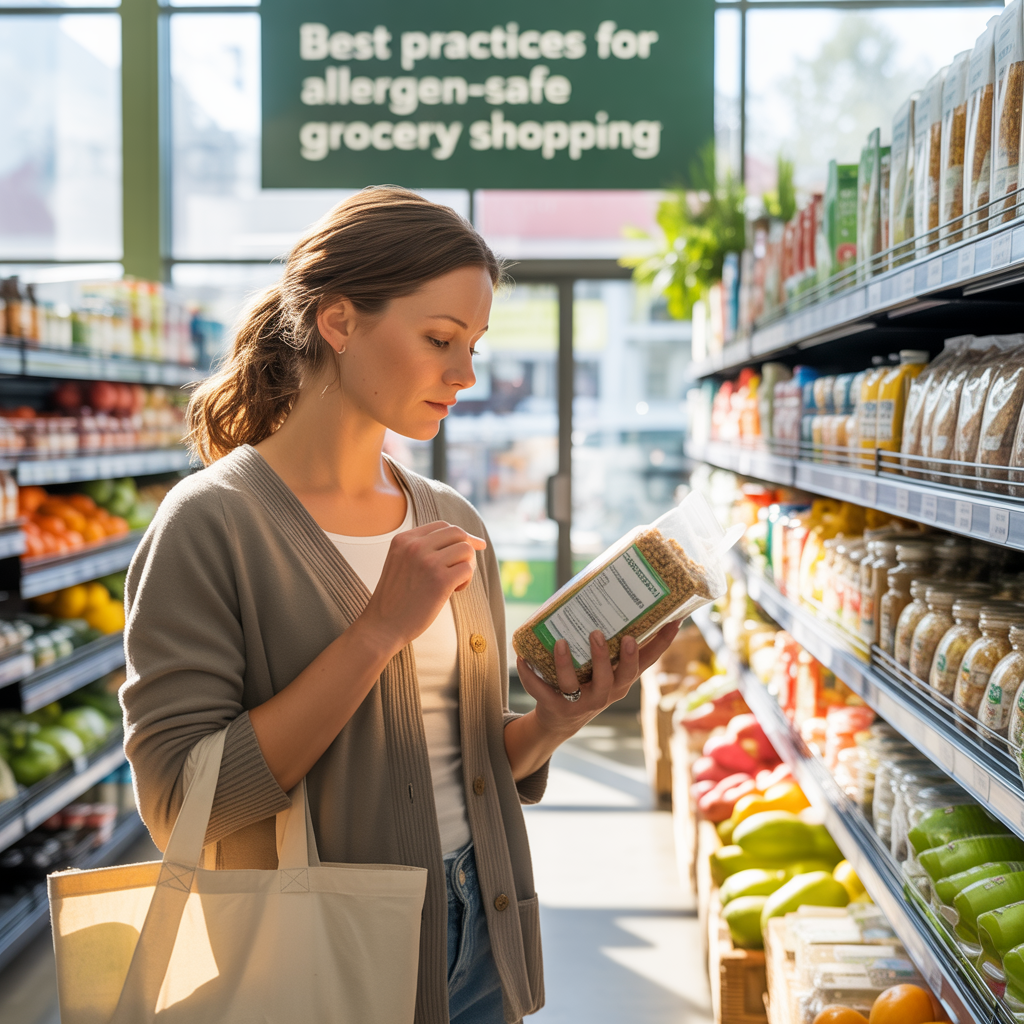
Perhaps the most important practice is to read every label—even if you have purchased the item before. Food manufacturers often change their recipes or production lot facilities without notice. A snack you trusted last month may contain traces of nuts or dairy.
When reading labels, be sure to look for the "contains" statement (e.g., contains wheat, milk, soy) and warnings for precautionary allergen statements, including "may contain" or "processed in a facility with". There is generally not a legal requirement for allergen statements in all areas, but these may help you evade unintentional exposure to allergens.
2. Learn the Secret Names for Allergen Sources
Allergens can have different names in the ingredient list. For instance, casein or whey is derived from milk; albumin is derived from eggs; soy might be present in lecithin, and gluten could be listed in words such as malt, brewer's yeast, or modified food starch.
3. Select Allergen-Free Certified Brands
Some brands will sell allergen-friendly products or foods and only make foods in dedicated allergen-free plants. These companies often go through testing and certification standards to ensure safety. They might be pricier, but the comfort they provide is worth it. Look for certifications like "Certified Gluten-Free" or seals for "Top 8 Allergen-Free", which indicate that their products take extra steps for avoiding cross-contamination.
4. Avoid Bulk Bins and Bulk Items
Bulk food bins offer a prime site for cross-contact. Most commonly, the same scoops are used for different bins, and airborne particles can settle on the food. Furthermore, fresh bakery bread or some delightful cookies might be displayed close to items that contain allergens.
5. Plan Your Grocery Shopping
Grocery shopping and allergic reactions to foods can be very overwhelming! Do some shopping planning ahead of time, including a list of safe brands and go-to products. Such preparation will lessen the stress and also the temptation of throwing in some questionable items.
If this will be your first time shopping at a new grocery store, you can always check the store's website or just call the store and enquire as to whether or not they stock allergen-friendly products.
6. Watch Out for "Free-From" Claims
Terms such as "dairy-free", "nut-free", or "gluten-free" can be misleading in marketing. For example, while a product may be "dairy-free", it may still contain casein – one of the proteins found in milk. Always verify with the ingredient list and allergen statement first.
The rules and regulations are various in different countries, and while you always include "free-from" claims in your shopping, do not rely solely on front-of-package claims. The ingredients list will always be your most accurate truth.
7. Shop When the Store Is Less Busy
If you can, please shop when the store is busy. You can read your labels and ask for help in the store when no one is rushing you.
Some families like to use curbside pickup or use online grocery delivery and filter their orders with allergens. However, even when getting products delivered, it is important to check the packaging when the products arrive.
8. Questions at the Deli or Bakery
While ordering at a fresh counter, ask how the food is handled. Do they use separate serving utensils for the allergen-free item? Are they using a shared fryer or grill?
It can feel awkward to ask these questions, but we have to put our health first. Most times, the staff will be quite eager to answer your questions and guide you toward a safer alternative.
9. Wash your hands and wipe your groceries.
In fact, one of the safest things to do even before you begin to unpack and store items is to wipe down packages, especially if you are living with people who are eating allergen-containing foods. It is always a good idea to minimise the risk of unintentional exposure caused by any residue left behind on packaging.
This will also teach kids with allergies to wash hands after grocery shopping and will help build habits toward them living a safe everyday life.
10. Stay Updated and Engaged
Food allergy safety remains an ongoing, cyclical process; one way to stay current with recalls, ingredient changes, or some new allergen-safe brand is through online organisations or programs such as FARE (Food Allergy Research & Education).
Conclusion
Making allergen-safe grocery shopping requires a constant commitment to vigilance, patience, and preparedness. Yet it doesn't have to be an overwhelming process. Diligent label reading, awareness of hidden allergens, staying away from bulk and unpackaged food, and staying within the scope of brands you know can almost totally keep an individual safe from exposure pains.