Anti-Inflammatory Foods: What to Eat for Better Energy and Digestion
Inflammation is a natural defense mechanism of the body; however, chronic inflammation is a major culprit of energy draining and disturbs digestion and overall health. Many people suffer from fatigue, bloating, skin problems, joint pain, or slow digestion without being aware that inflammation could be the main cause. The silver lining? Your diet can have a massive impact.
An anti-inflammatory diet is not a restrictive plan; instead, it is a long-term approach through which your body gets nourished with whole foods that soothe inflammation, enhance digestion, and increase energy. It does not focus on restriction; rather, it supports adding foods loaded with antioxidants, fiber, healthy fats, and natural compounds that promote healing from the inside out.
At EaterIQ.com, you can learn to identify healthier whole-food choices with simple scores and guides that make eating anti-inflammatory foods easier and more confident.
1. Understanding Inflammation
Before looking at foods to eat, knowing the concept of inflammation will help. Inflammation can be classified into two:
Acute inflammation
This is the body’s instant reaction to an injury or a disease, like swelling after a cut or a fever during an infection. It is indeed a good and temporary response of the body.
Chronic inflammation
This is something that happens quietly over the years and that is caused by the following:
Processed foods
Refined sugars
Trans fats
Stress
Lack of sleep
Digestive problems
Environmental toxins
Chronic inflammation weakens your digestion, slows your metabolism down, and makes you feel tired. This is exactly where an anti-inflammatory diet comes in handy.
2. Anti-Inflammatory Foods That Energize and Aid Digestion
1. Fatty Fish (omega-3-rich foods)
Omega-3 fatty acids are one of the most powerful natural anti-inflammatory nutrients. They not only help in lowering the levels of inflammation markers but also support brain, heart, and digestive health.
Best options:
Salmon
Sardines
Mackerel
Flaxseeds
Chia seeds
Walnuts
Aim to include omega-3-rich foods 2–3 times per week.
2. Colorful Fruits & Vegetables
Undoubtedly, the more vivid and diverse the color of the produce, the more antioxidants are present. Antioxidants counteract inflammation by exterminating the bad free radical-causing agents.
The best:
Berries (blueberries, strawberries, and raspberries)
Leafy greens (spinach, kale, and mustard greens)
Carrots
Bell peppers
Beets
Tomatoes
Purple cabbage
Make it a rule to have your plate filled with at least 3–4 different colors every day—more colors mean less inflammation.
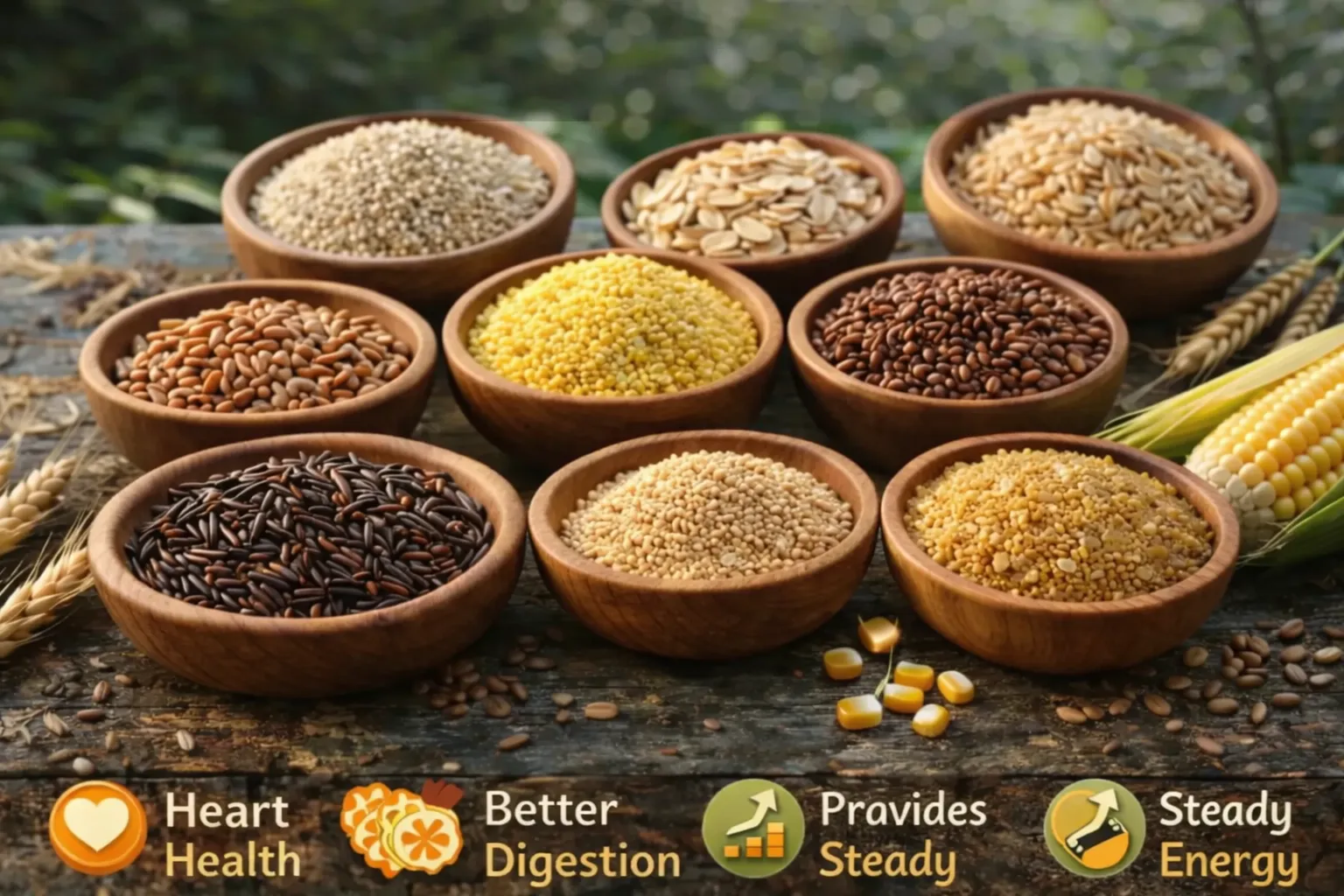
3. Whole Grains for Gut Health
Inflammation is a common reaction to the consumption of refined grains, but on the other hand, whole grains fight the inflammation by supplying the digestive system with the much-needed fiber.
Some of them:
Oats
Brown rice
Quinoa
Barley
Millet
The presence of fiber in the digestive system leads to reduced flatulence, regular bowel movements, and the feeding of good gut bacteria.
4. Anti-Inflammatory Spice
Spices are sources of natural compounds that reduce gut inflammation.
The most effective anti-inflammatory spices include:
Turmeric (when combined with black pepper, it helps with absorption)
Ginger
Cinnamon
Garlic
Clove
Incorporate them into soups, tea, smoothies, or your daily meals to gently support the body's healthy state.
5. Healthy Fats
Fats are not created equal. Healthy fats provide hormone stability and gut health and modulate your body’s energy.
Sources of healthy fat:
Avocado
Olive Oil
Nuts and Seeds
Coconut Oil
Ghee
Healthy fats allow for stable blood sugar and reduce energy slumps.
6. Fermented Foods for a Healthy Gut
The gut has a significant impact on inflammation. Fermented foods provide food for the good bacteria in your gut, help to digest your food, and reduce biomarkers of inflammation.
Some healthy fermented food selections for a healthy gut include:
Yogurt
Kefir
Kimchi
Sauerkraut
Kombucha
Idli, rasa, and dhokla (fermented Indian food)
Result: A stronger gut leads to less inflammation, plus more energy.
7. Herbal Teas for Digestion
Some teas can also mitigate inflammation in the stomach and can also help bowel movements.
The following teas are characterized as helpful because of their anti-inflammatory properties:
Green tea
Ginger tea
Peppermint tea
Chamomile tea
Tulsi (holy basil) tea
Daily consumption of 1–2 cups helps keep your digestion calm.
3. Foods That Increase Inflammation
Eliminating dietary components that promote inflammation is as important as integrating the right ones into your diet.
You should attempt to reduce your intake of:
Packaged snacks
Deep-fried foods
Sugary white sugar and sweetened beverages
Refined flour (maida)
Processed meats
Alcohol in excess
Artificial additives
The above foods not only disrupt digestion but also contribute to increased bloating and higher inflammation levels.
4. Anti-Inflammatory Simple Meal Ideas
Breakfast Meals
Oats, berries, chia seeds, and almonds mixed together
Spinach, Banana, Ginger, and Flaxseed Smoothie
Plain Yogurt with Fruit and Walnuts on Top
Lunch Meals
Brown Rice with Dal, Sabzi, and Salad
Salmon/Tofu Bowl with Quinoa and Vegetables
Whole Wheat Roti, Leafy Greens, and Curd
Dinner Meals
Lentil Soup with Mixed Vegetables
Stir-fried Tofu or Chicken with Colorful Vegetables
Millet Khichdi made with ghee
Snacks
Mixed Nuts, Seeds Alone
Fruits with Natural Peanut Butter
Green Tea with Roasted Channa Alone
5. Closing Words
You don’t need to follow specific guidelines or complicated diets to improve your level of inflammation. You will flourish through simple, healthy, whole foods. By creating a natural, colorful diet from fiber choices and reducing heavily processed food, you will see the following changes:
✔ Better Digestion
✔ Consistent Energy
✔ Less Bloating
✔ Better Gut Health
✔ Stronger Immune System
The little things we do on a daily basis add up to being really big. Start off today by adding at least one anti-inflammatory food to your plate. Your body will appreciate you for it!