Coffee vs. Tea: Is One Better for Your Health?
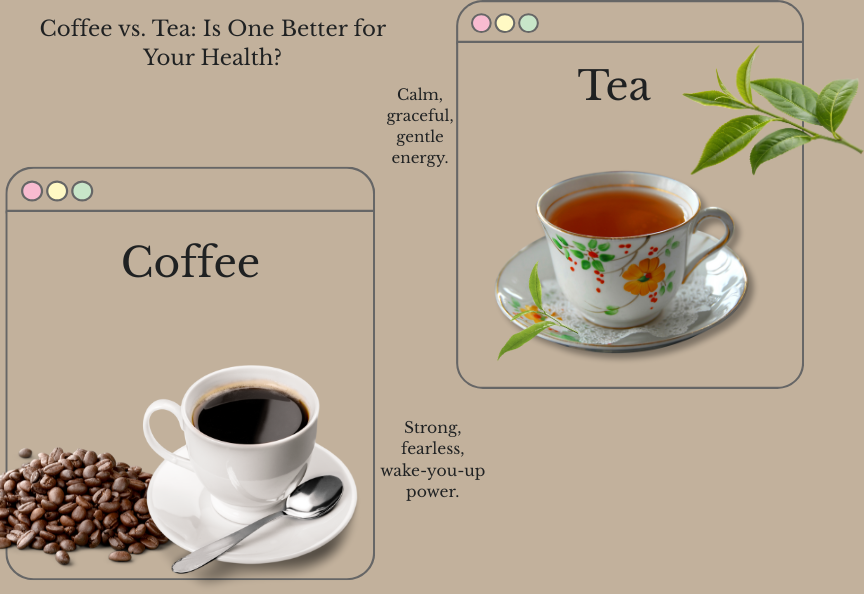
Coffee vs. Tea: Is One Better for Your Health?
Coffee and tea are two of the most popular drinks in the world, loved for their taste but also known for their stimulating effects. If you are an avid drinker of coffee or tea—either your morning coffee or tea routine or the afternoon tea in the office—there’s no doubt that both drinks have become a part of our culture and lifestyle. But where health is concerned, there are plenty of reasons you might wonder, “Is one really healthier than the other?”
Nutritional Comparison
When taken straight, coffee and tea have low calorie counts, offering polyphenols that lessen the damage from the actions of free radicals and may reduce inflammation. However, each beverage's polyphenols differ:
Coffee also contains chlorogenic acid and caffeic acid, which are linked to increased metabolism and lower rates of chronic disease.
Tea contains catechins and theaflavins primarily from green or black tea, both of which are antioxidants associated with better cardiovascular health and improved brain health.
Caffeine: energy boost or energy overload?
There is one huge difference: caffeine.
Coffee: A standard 8-ounce cup of coffee has about 95 mg of caffeine, but certain brews can contain well over that. Coffee provides fast-acting energy, sharper focus, and better physical performance.
Tea: An 8-ounce cup of black tea has about 40-50 mg of caffeine in it, while green tea has about 25-30 mg. Tea is a gentler, more sustained lift without the "crash" coffee can cause on occasion.
After considering the total caffeine, if you're caffeine sensitive, then tea will be the safer option for you. But, if you want an effective energy booster, in many cases coffee comes through in spades!
Coffee's Health Benefits
Enhances Brain Function
Caffeine found in coffee is a stimulant of the central nervous system and can improve mood, memory, and alertness. Studies have shown long-term coffee drinkers have a reduced risk of Alzheimer's and Parkinson's.
Aids Metabolism and Weight Control
Small studies suggest that drinking coffee increases metabolic rate and promotes fat burning. As a consequence of this reaction, coffee is now also a pre-workout favorite.
Tea Health Benefits
1. High in Antioxidants
Green tea, especially, is recognized for its high catechin content. Antioxidants can minimize inflammation and protect cells from damage.
2. Good for heart health.
People who drink tea regularly will experience lower cholesterol levels and experience lower blood pressure (in ways favorable to cardiovascular health).
3. Calms the Mind, Increases Focus
Tea has an amino acid, L-theanine, to help produce an anti-anxiety effect without making you tired. When consumed with caffeine, it helps maintain a high level of focus, minus the anxiety of coffee.
The Downfalls
Coffee
Excessive coffee can cause jitters, anxiety, or insomnia.
Poor on the stomach due to acidity.
Very addictive. Withdrawal can occur with headaches and fatigue.
Tea
Black tea has tannins, which can impair the uptake of iron (thus, in excess).
Drinking excessive amounts of tea (especially in very hot temperatures) has been connected to softer esophageal irritation.
Sugar. Forget about a lot of the associated health benefits of tea in sugary bottled teas.
Which Is Better?
For you, the “better” or “worse” option is going to depend on your particular health goals, tolerances, and tastes.
If you want an artificial jolt of energy and metabolism spike, grab some coffee.
If you’re looking for a better time in a calm focus with added antioxidants, you can stick some tea in your pocket.
Bottom line, however, is that you’ll ultimately find your answer in moderation: Most researchers and health experts generally conclude that for most healthy adults, up to 3-4 cups each day of either coffee or tea is safe.
Making the Healthiest Choice
Either way, how you make it counts.
Avoid extra sugar and flavored syrups.
Opt for unsweetened when purchasing bottled beverages.
Enhance with natural flavor using spices such as cinnamon or a squirt of lemon.
If you’re unsure how your drink and cocktail choices rate nutritionally, Eateriq is one of the apps that helps you scan and analyze drinks and packaged products so you can make better choices.
Final Thoughts
So, coffee vs. tea: is one better than the other? The fact is, there’s a time and a place for each. Coffee has some major zip and a shield against multiple chronic diseases, whereas tea gives you focused, mellow alertness and an abundance of antioxidants. Instead of picking a favorite, most people like both—coffee to start the morning and tea to settle into the afternoon.